

















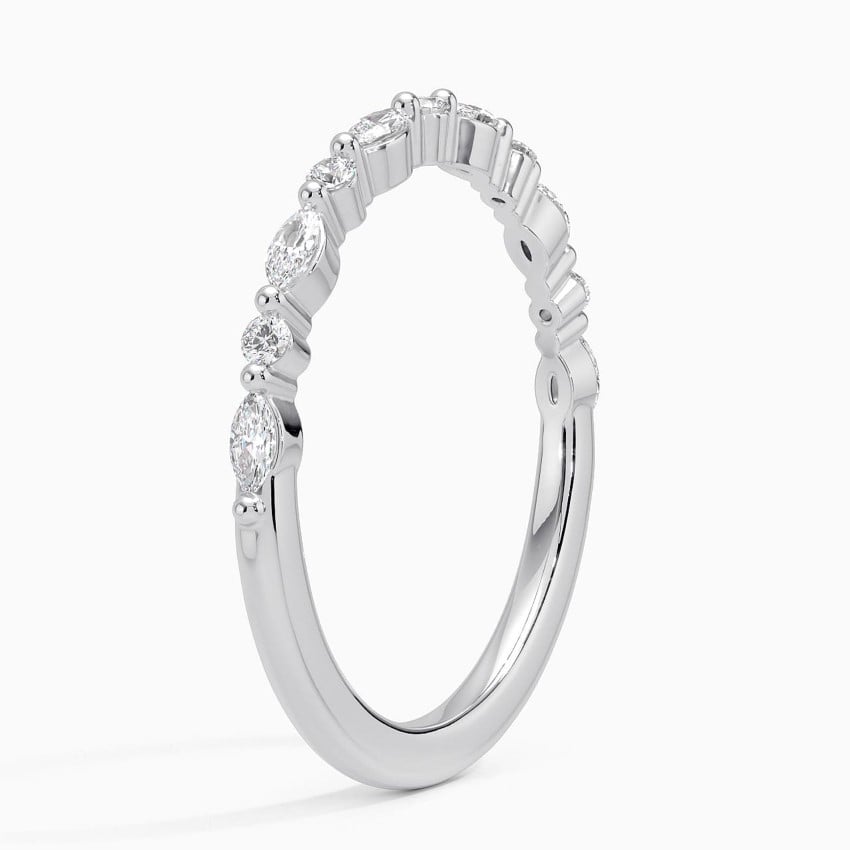


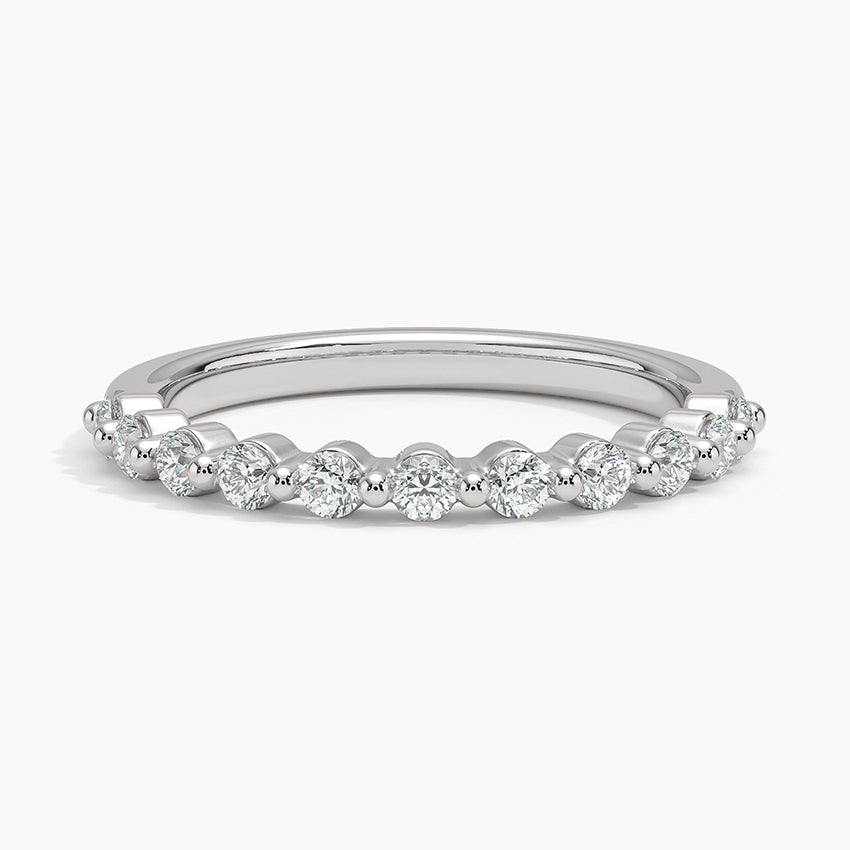
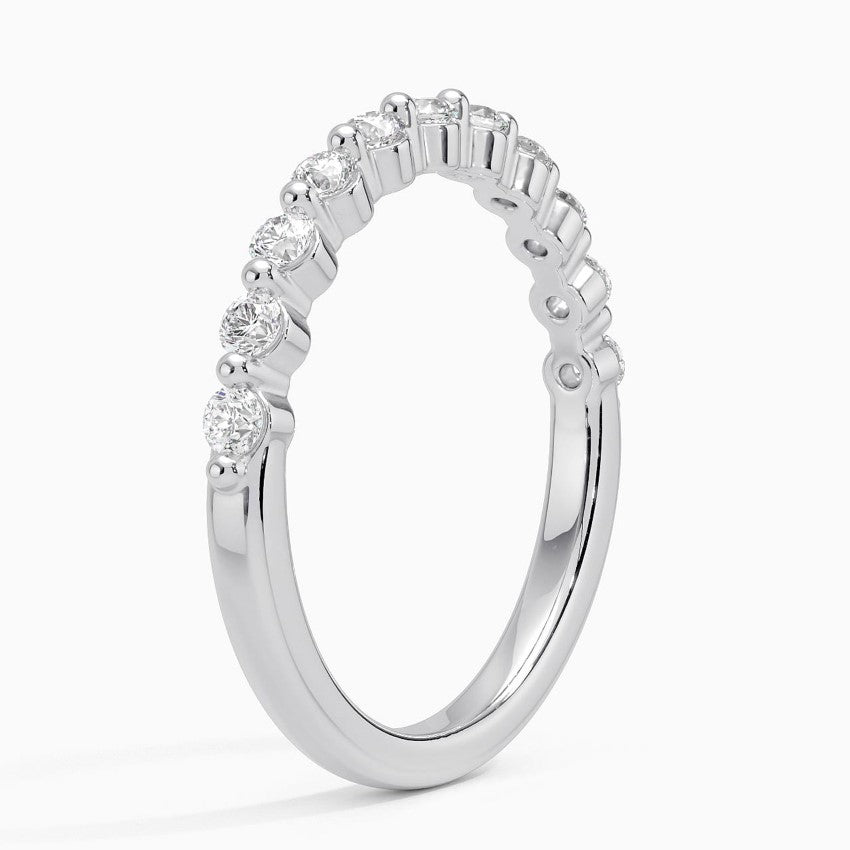
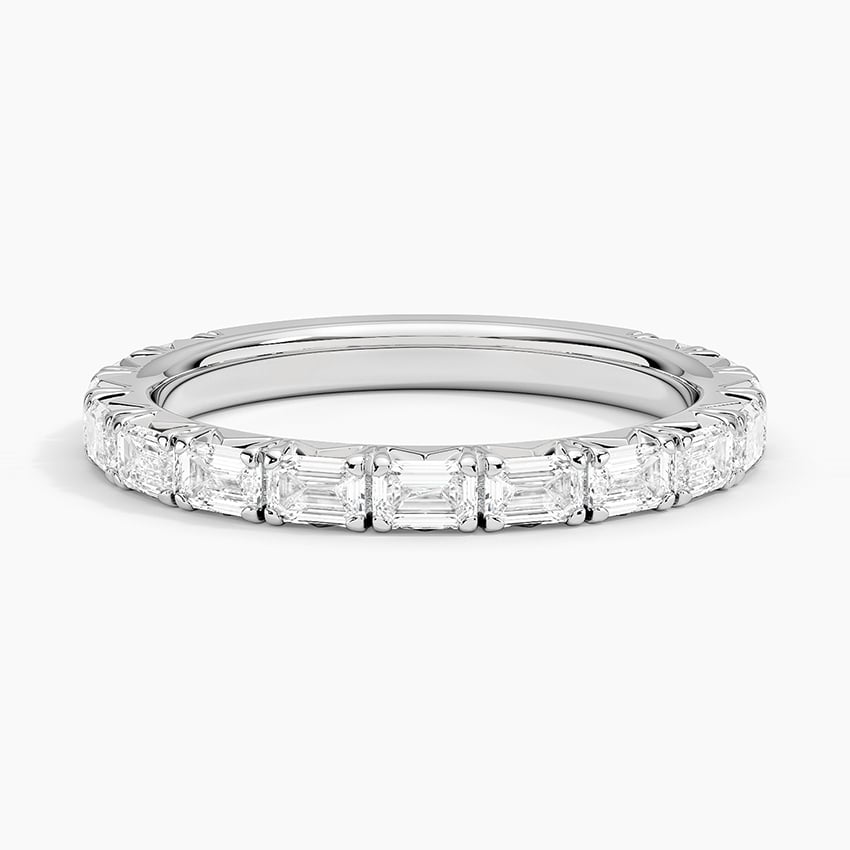
Diamond Wedding Rings
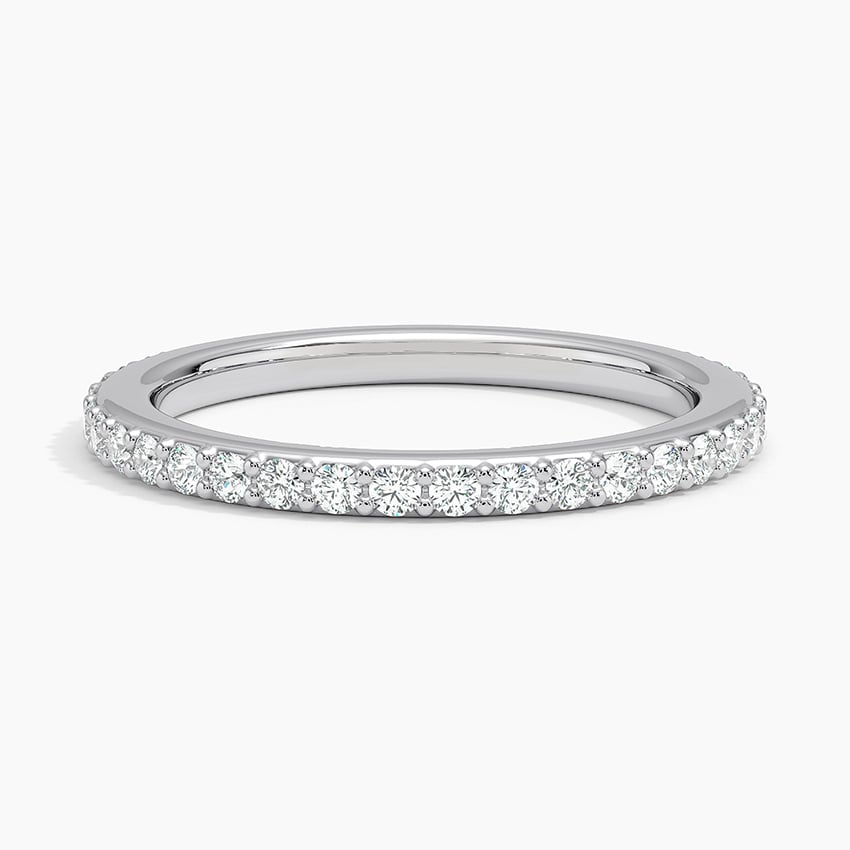
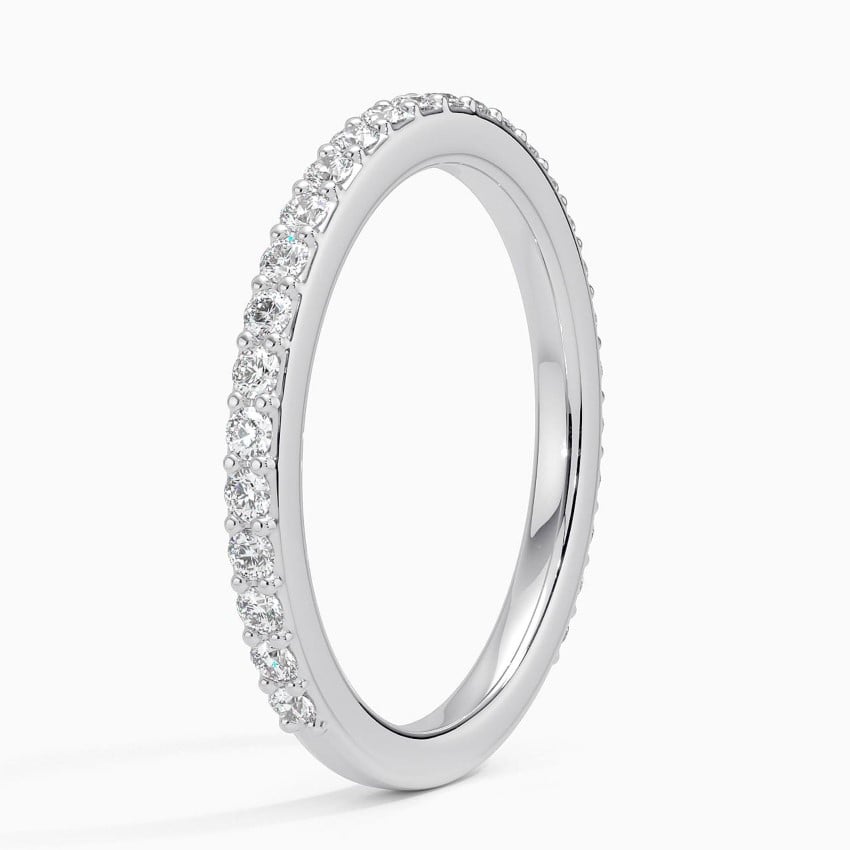
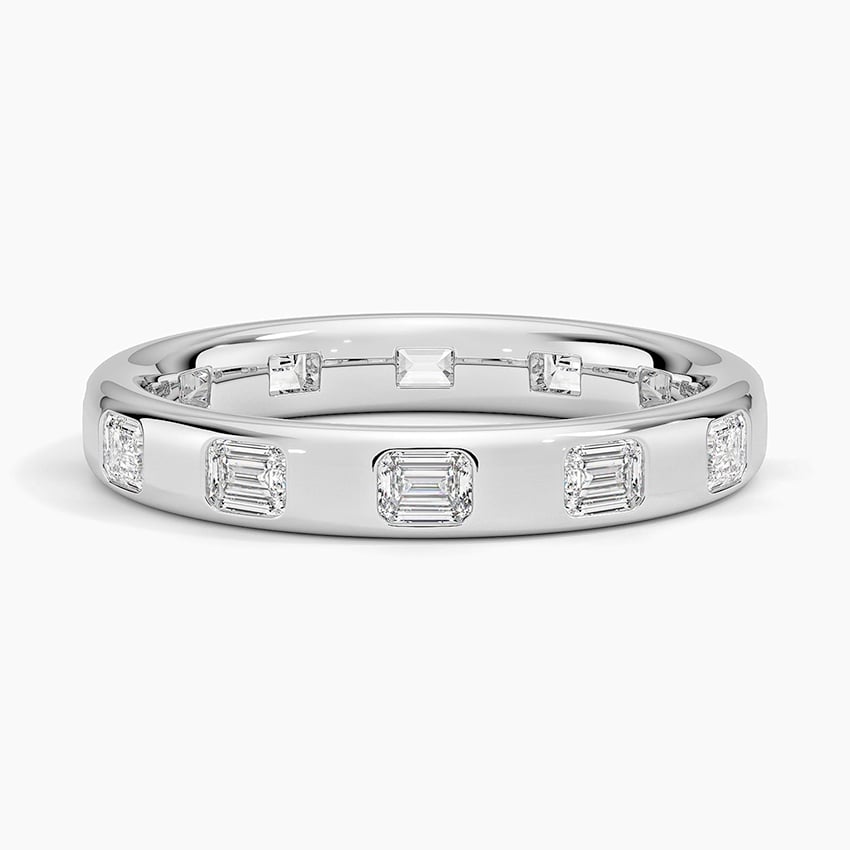
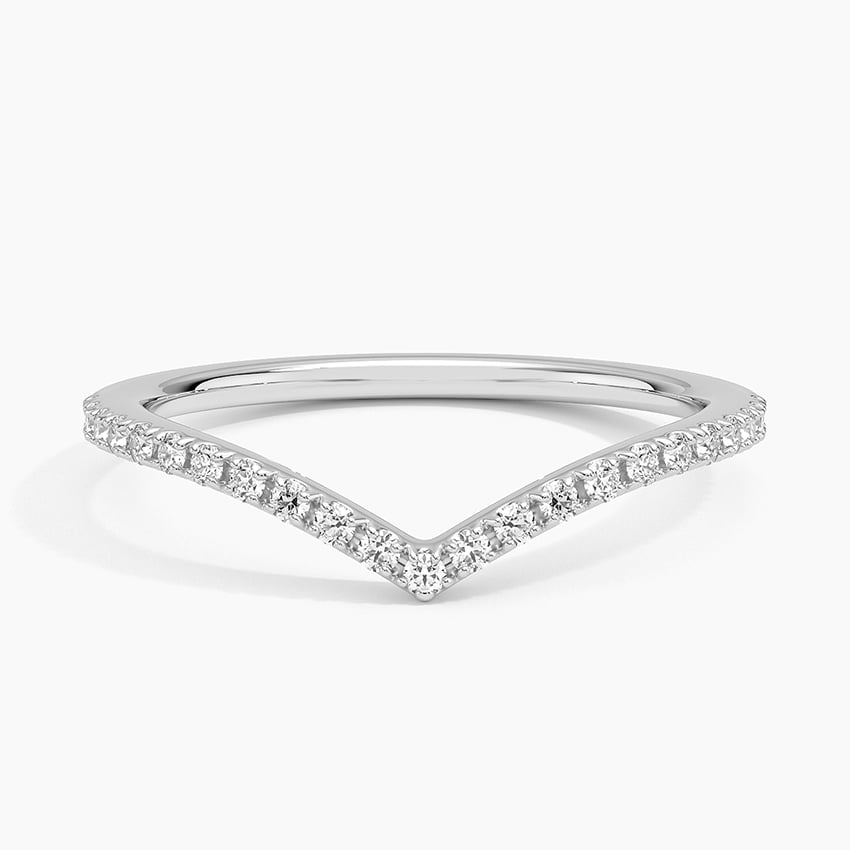
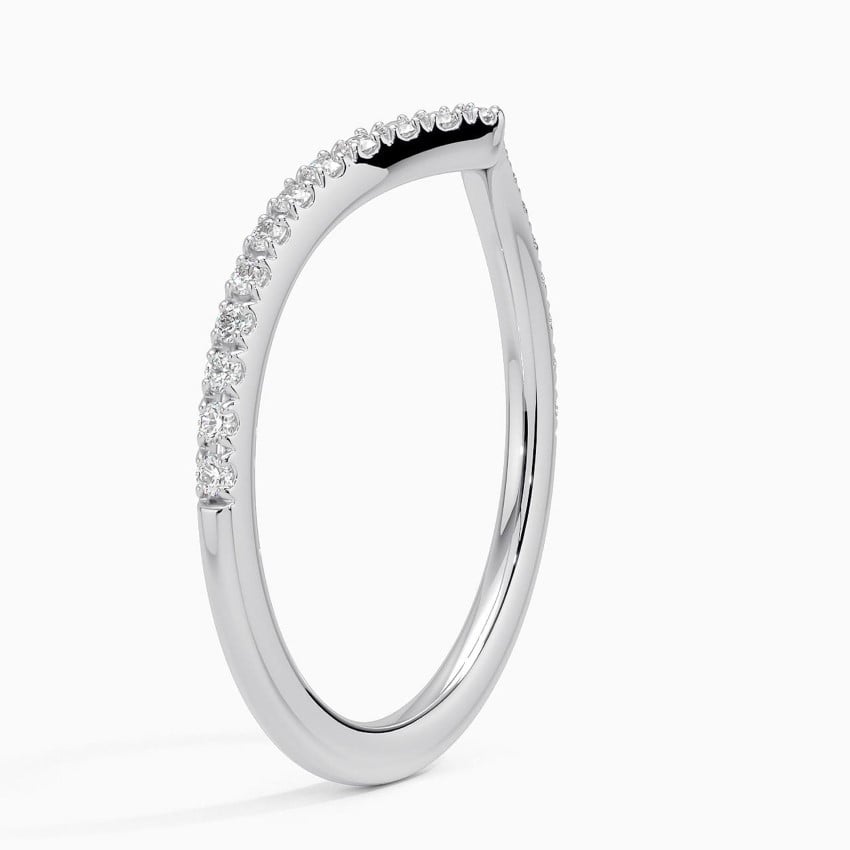
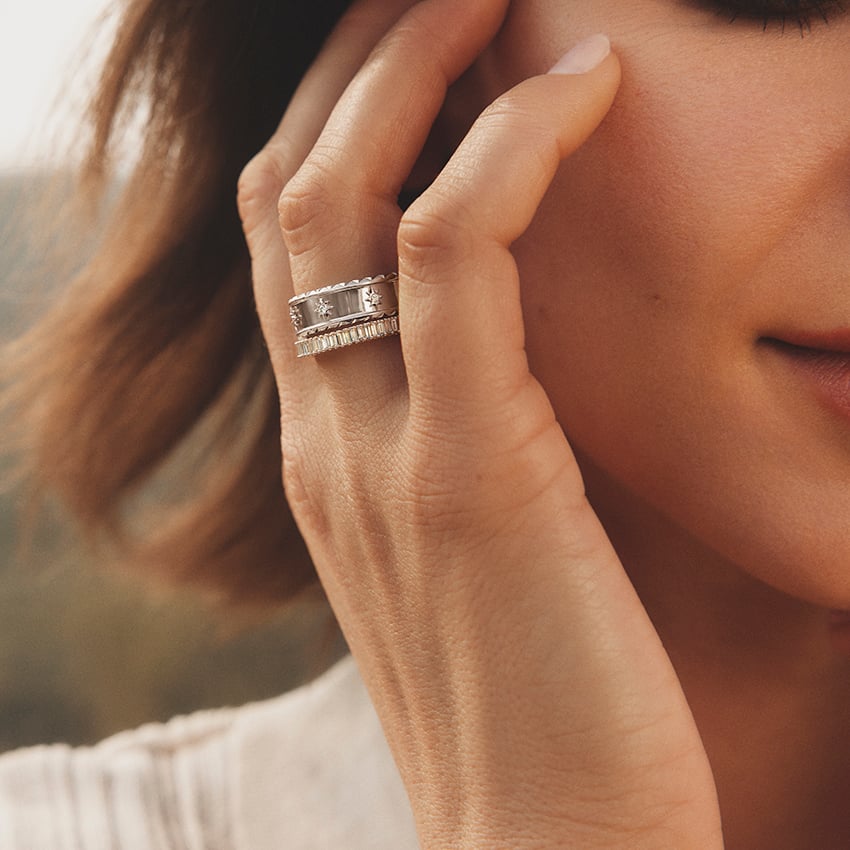
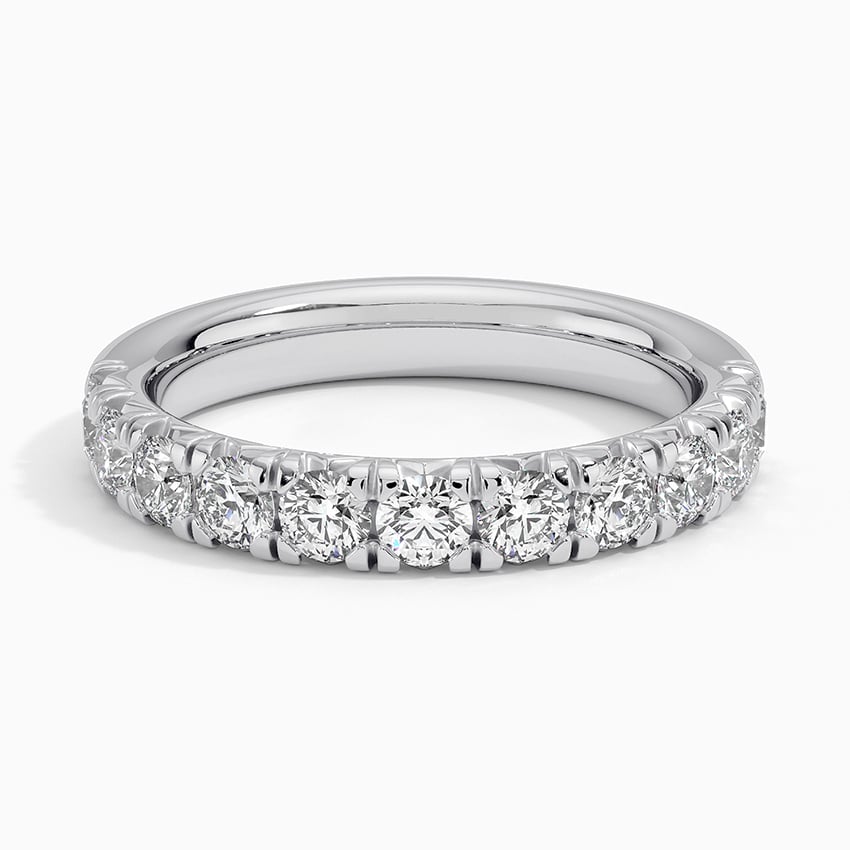
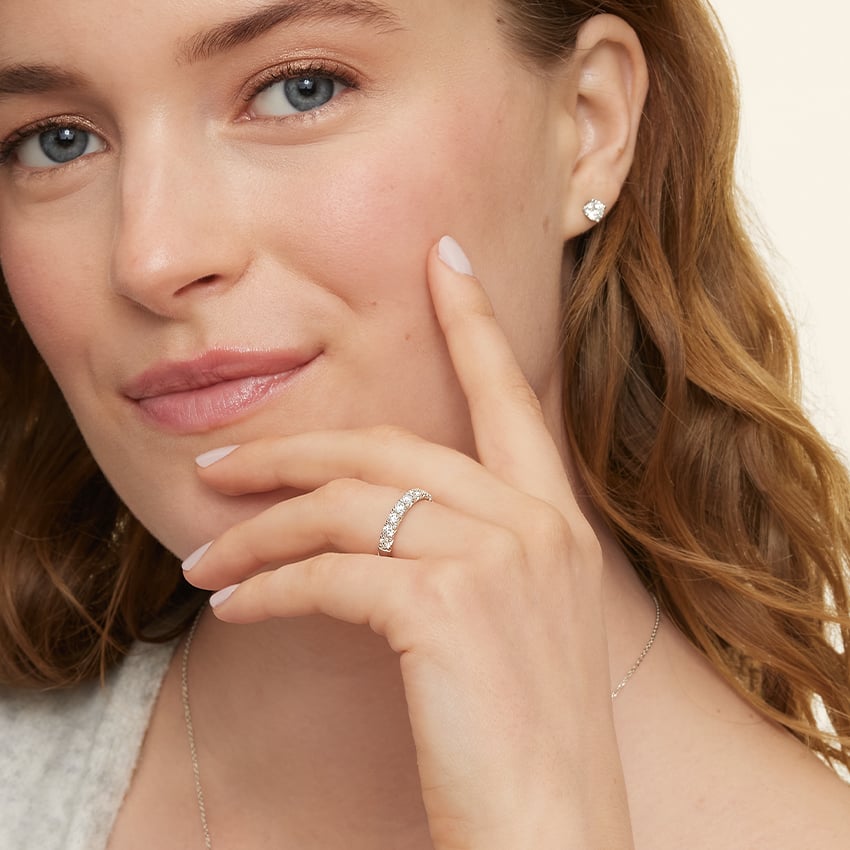
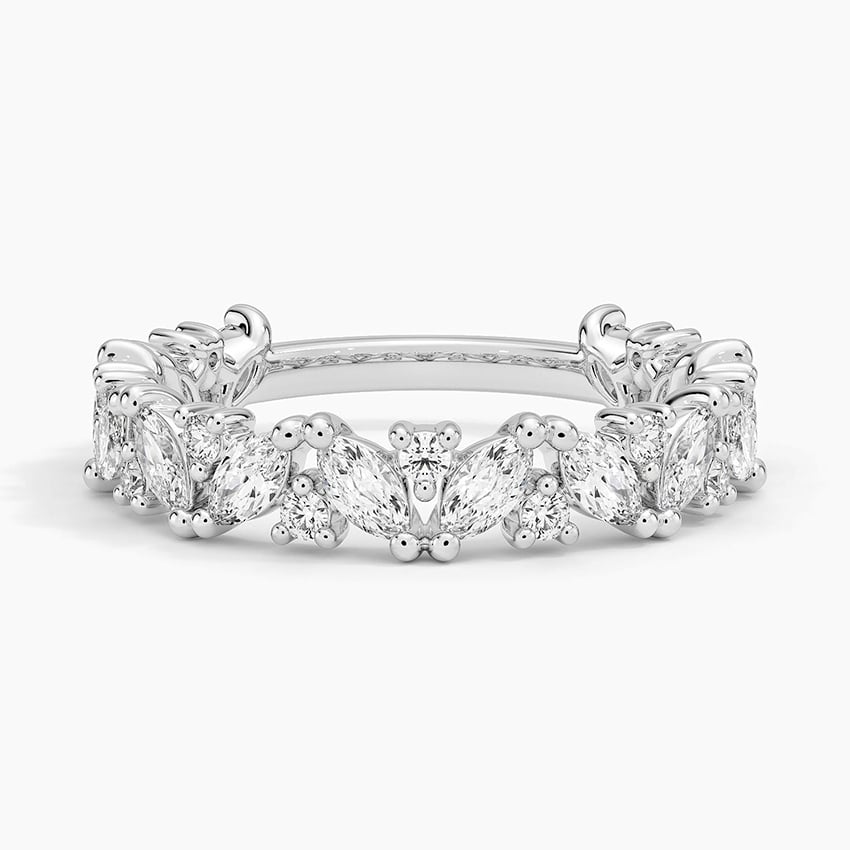
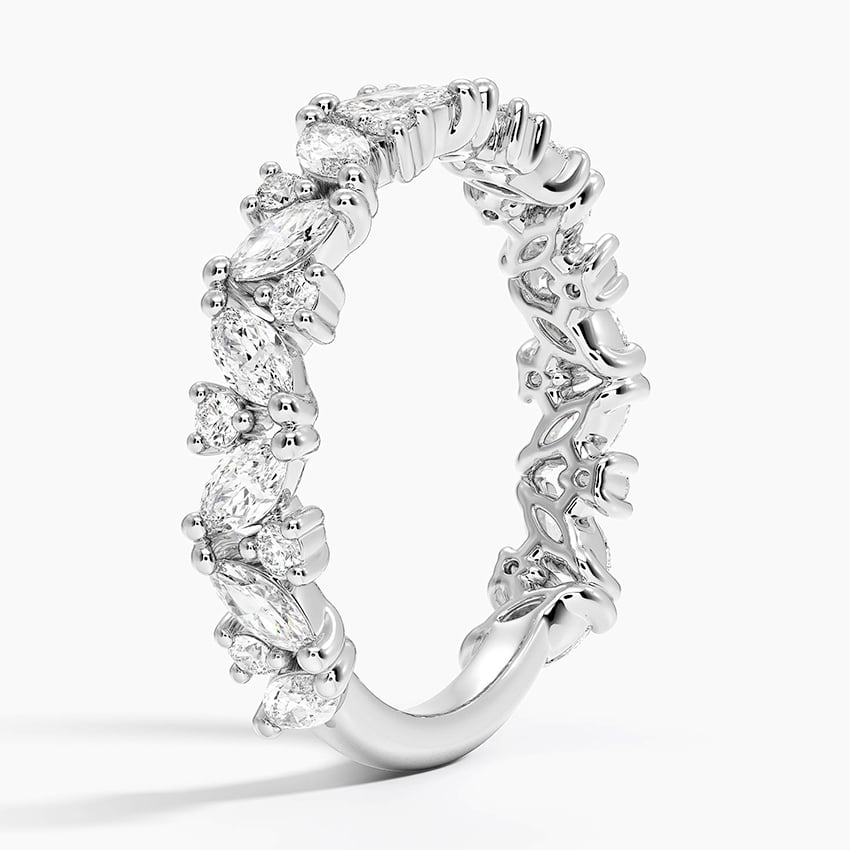
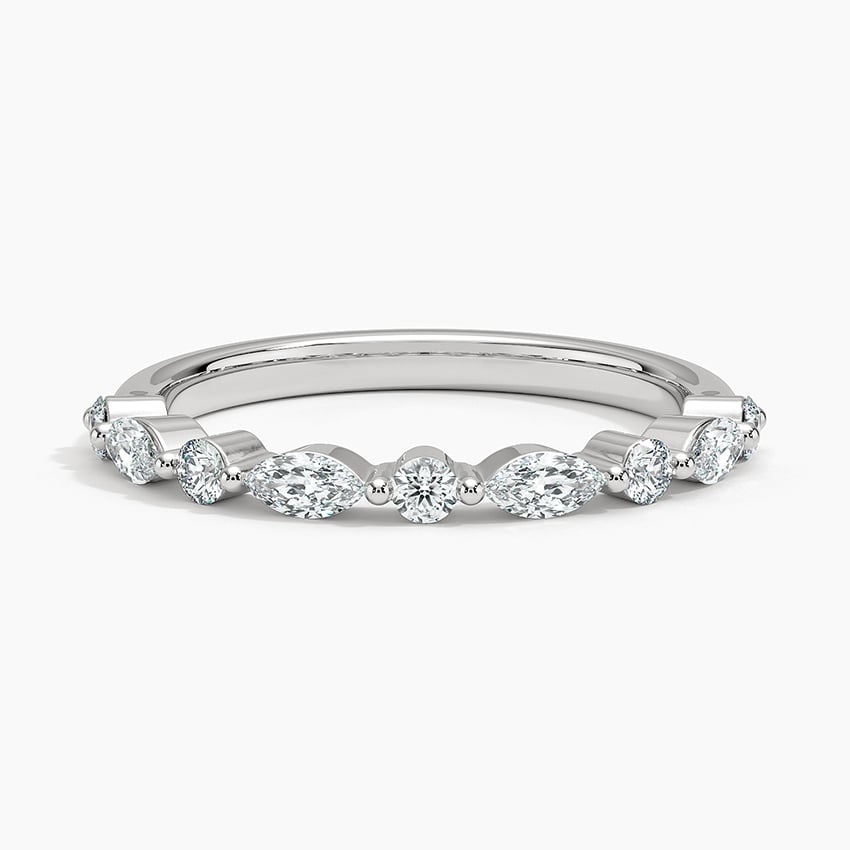
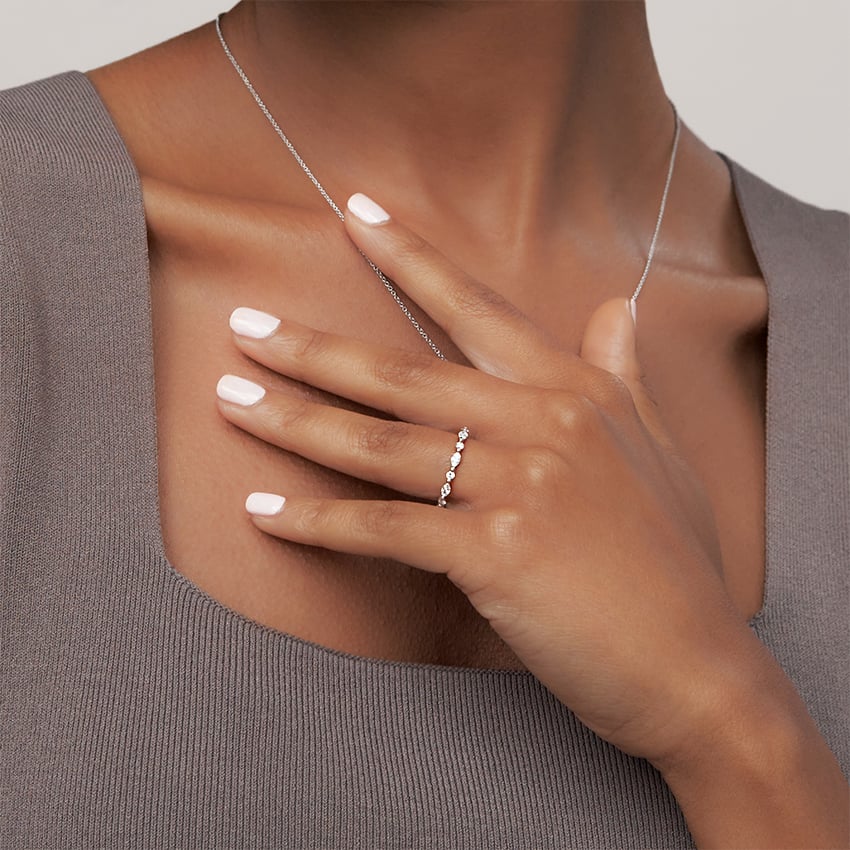
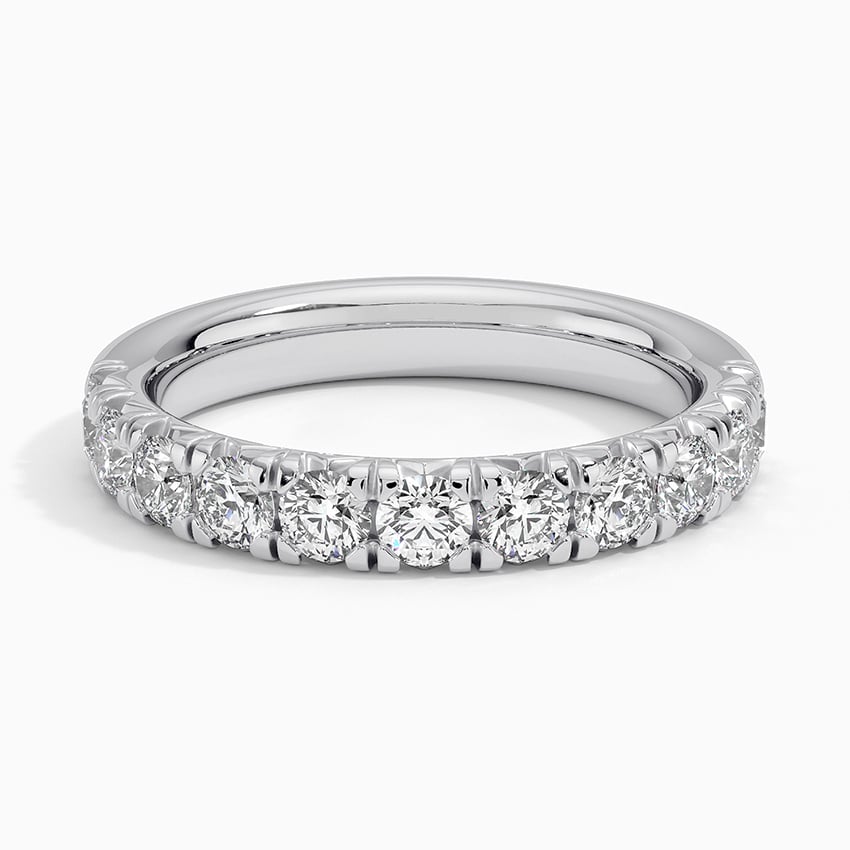
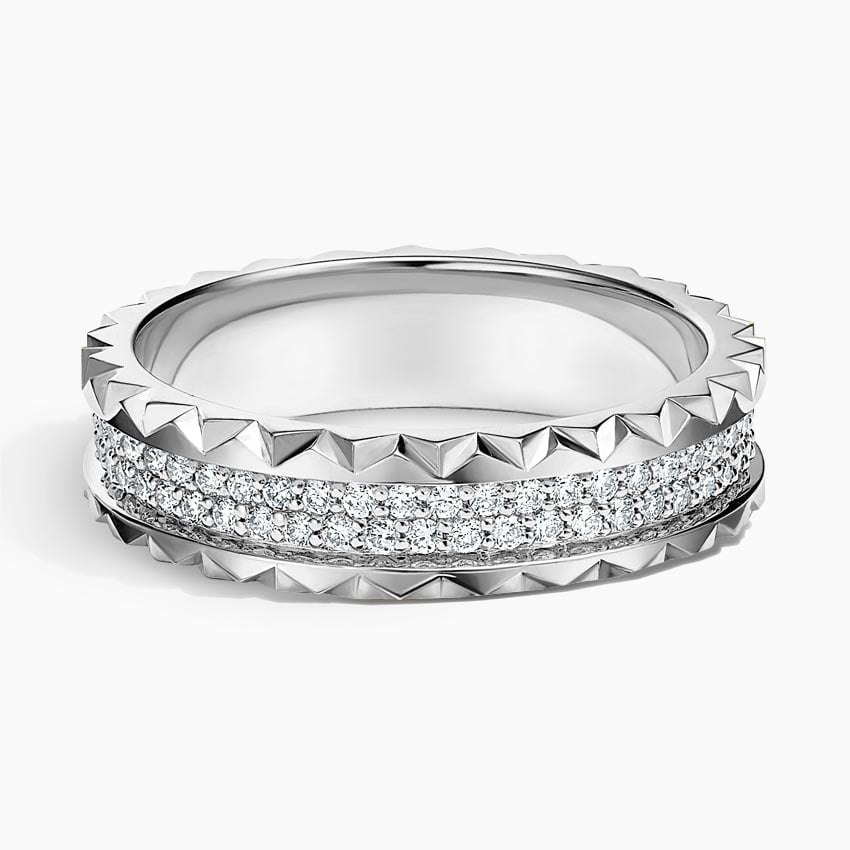
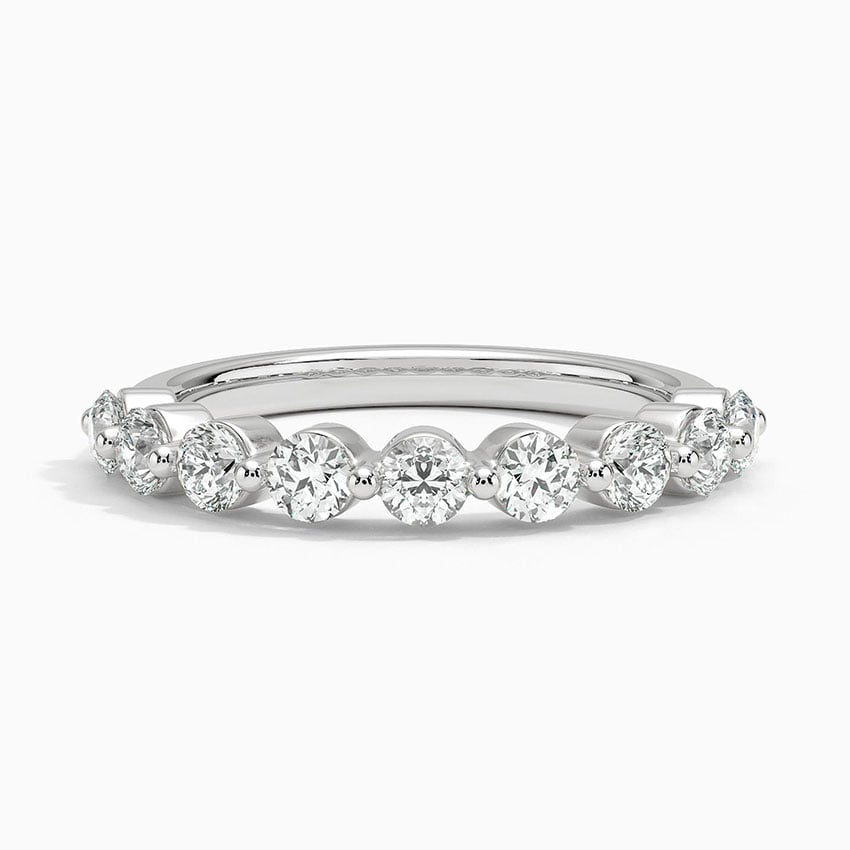
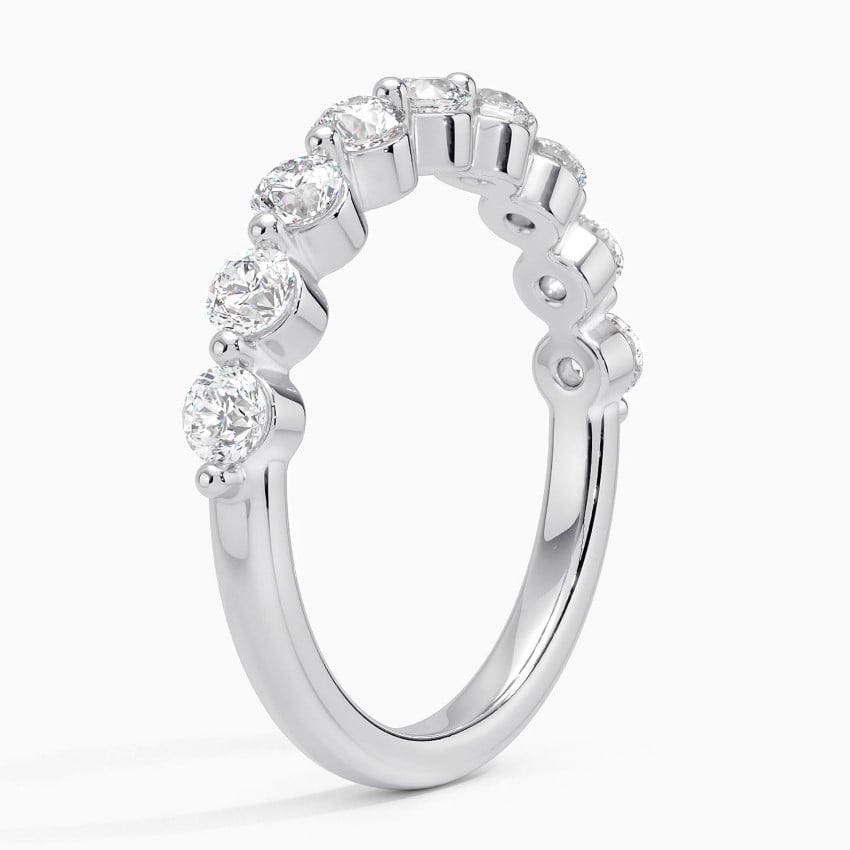
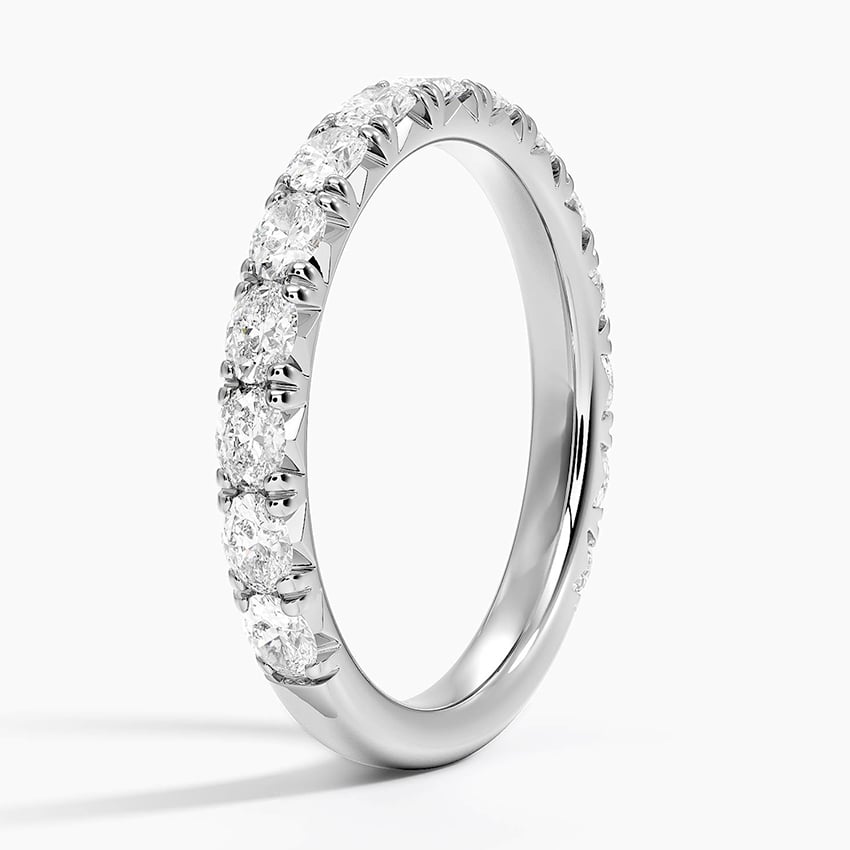
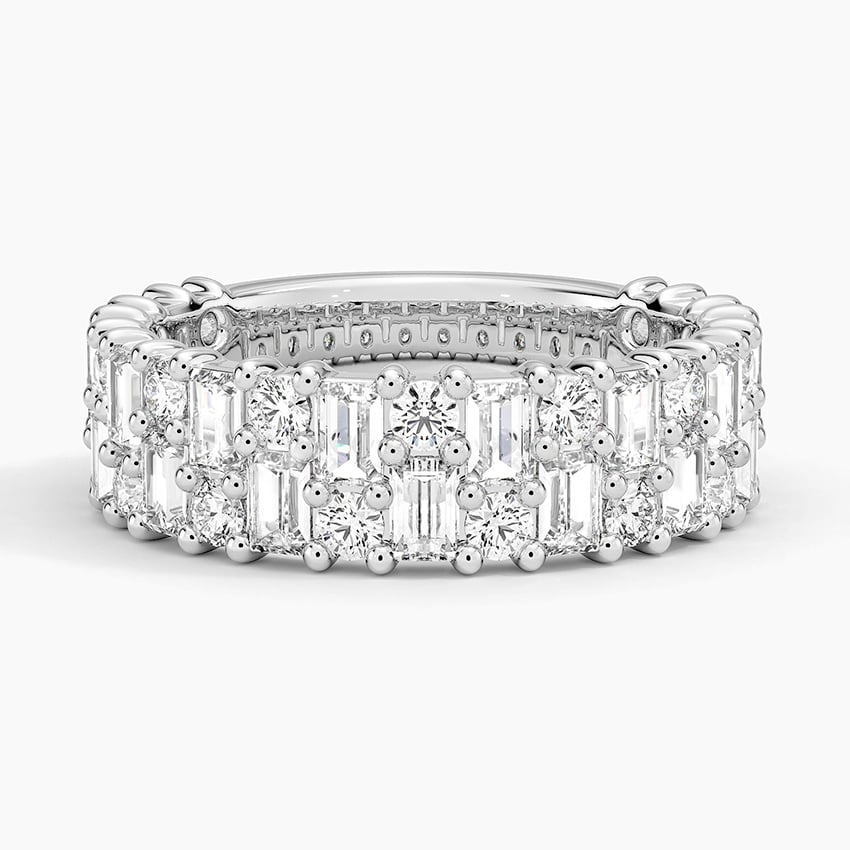
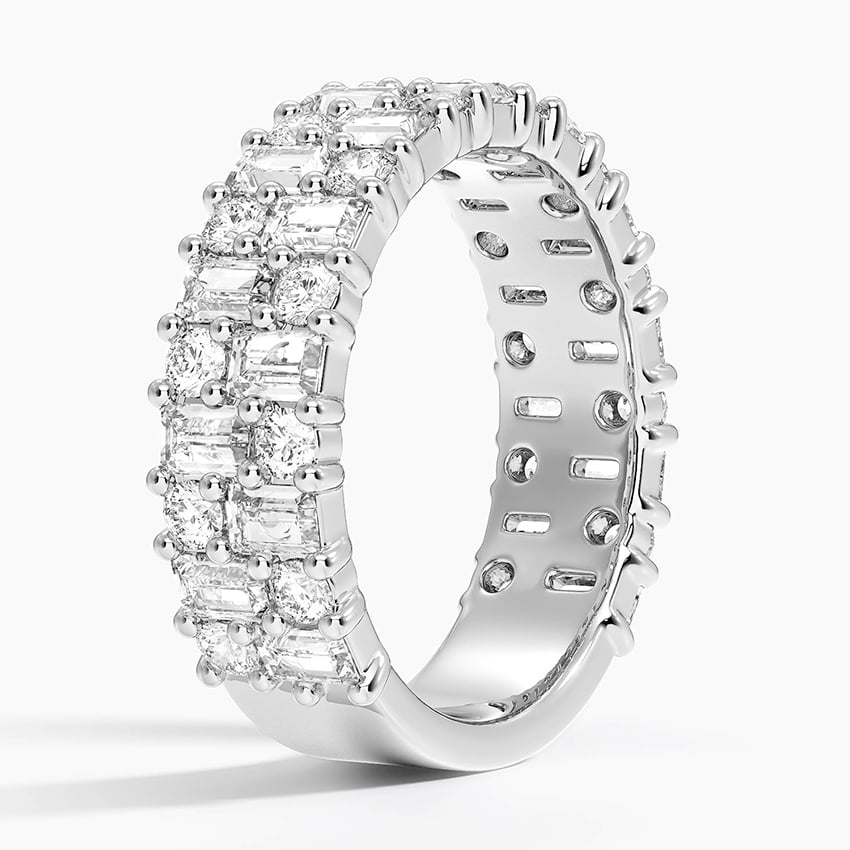
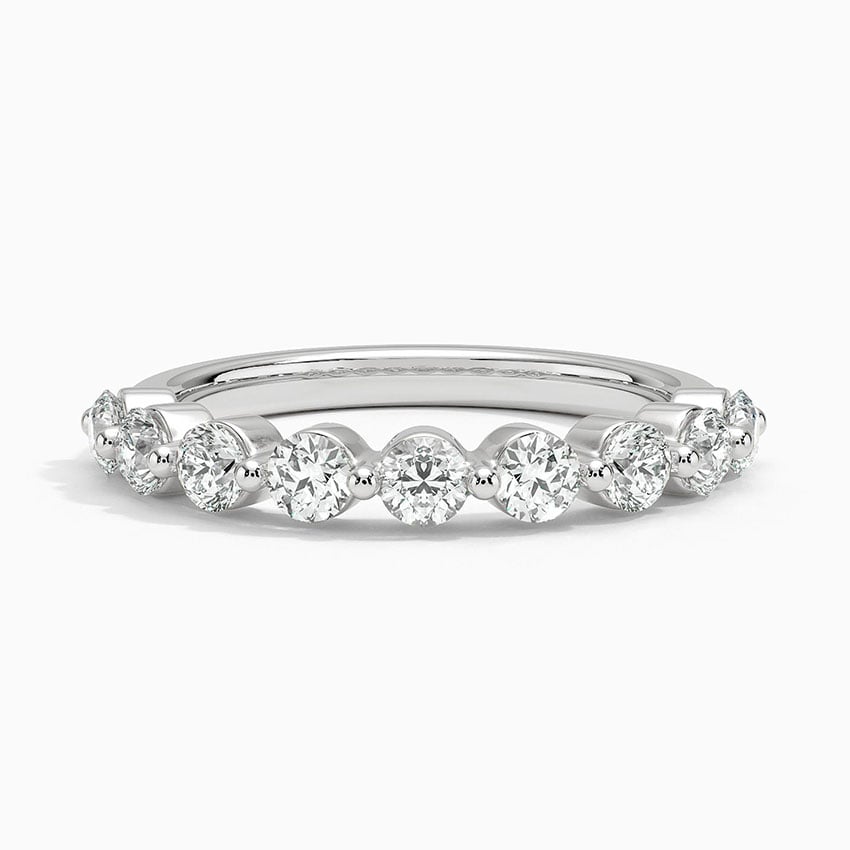
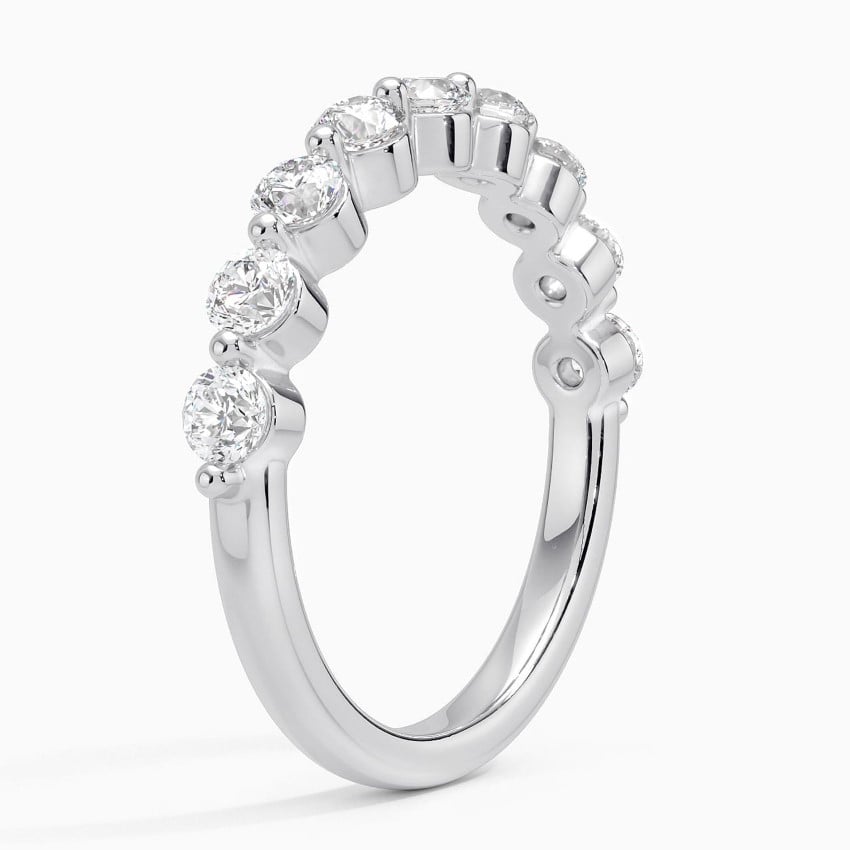
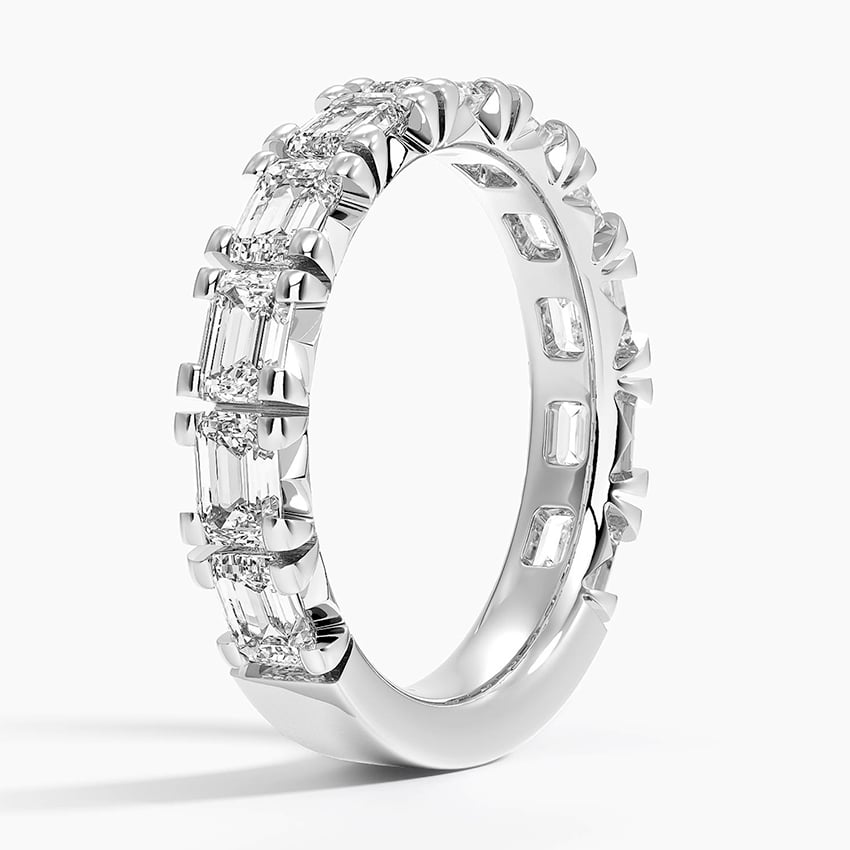
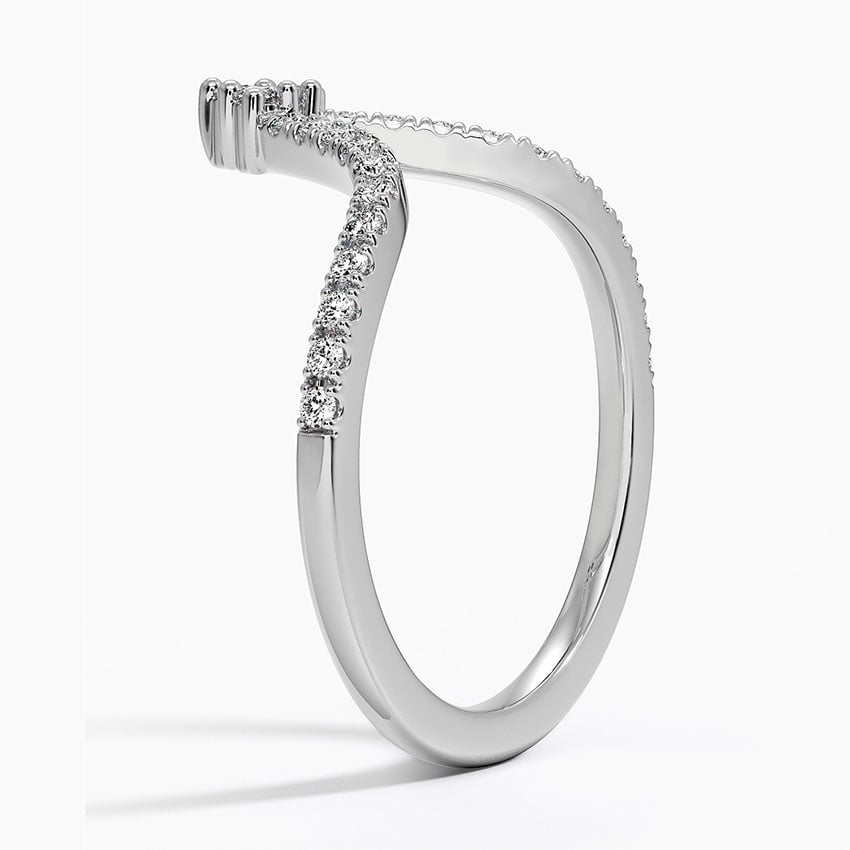
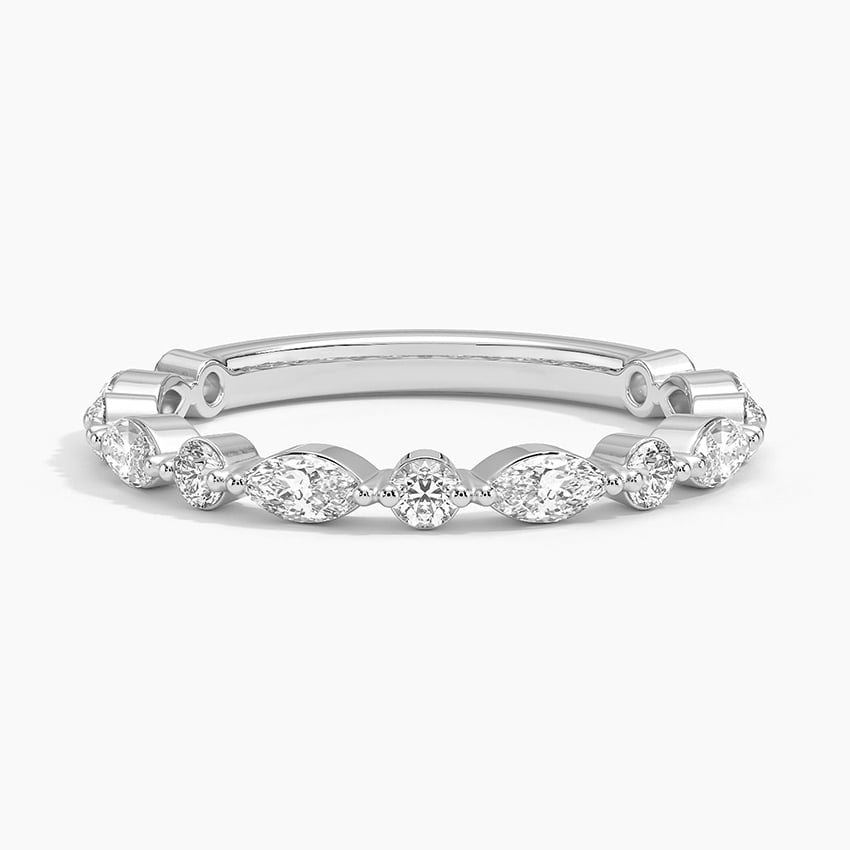
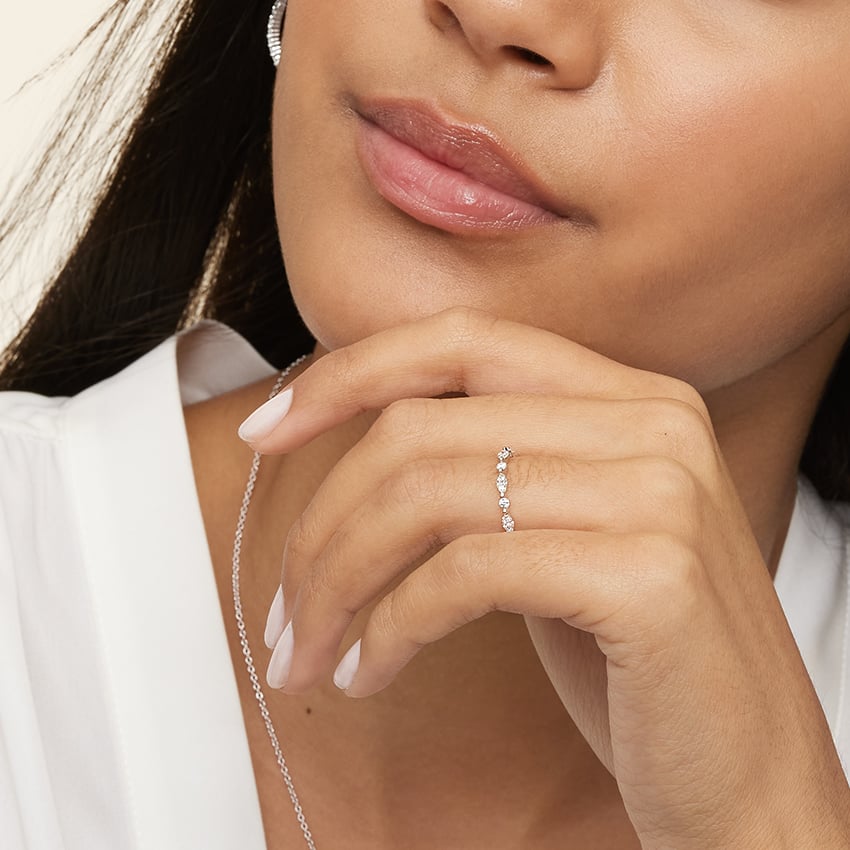
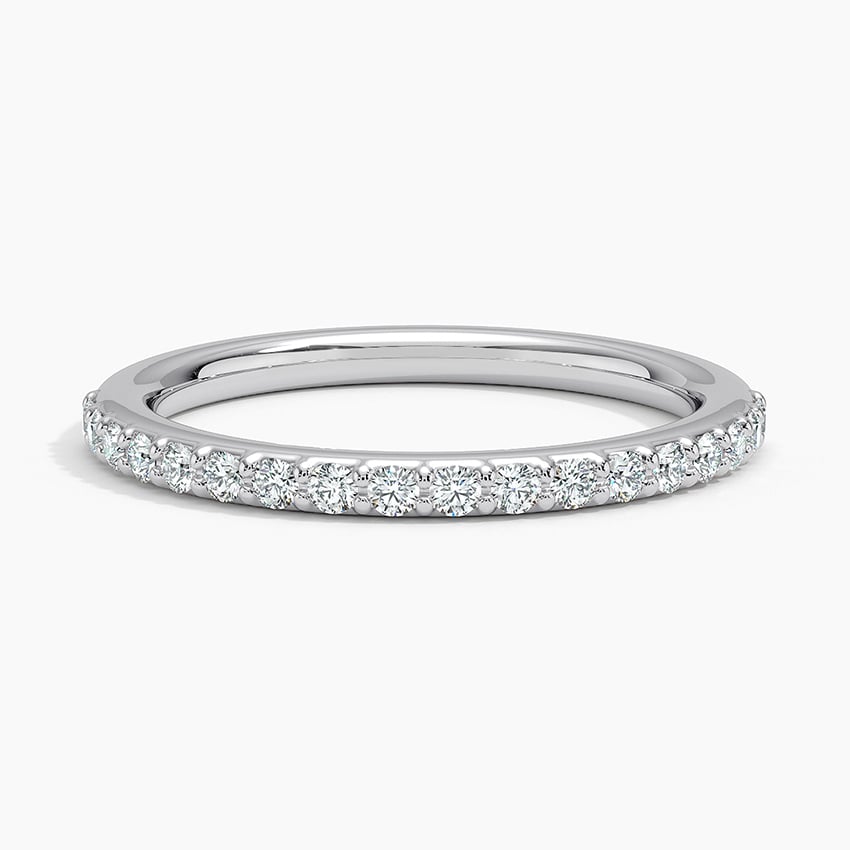
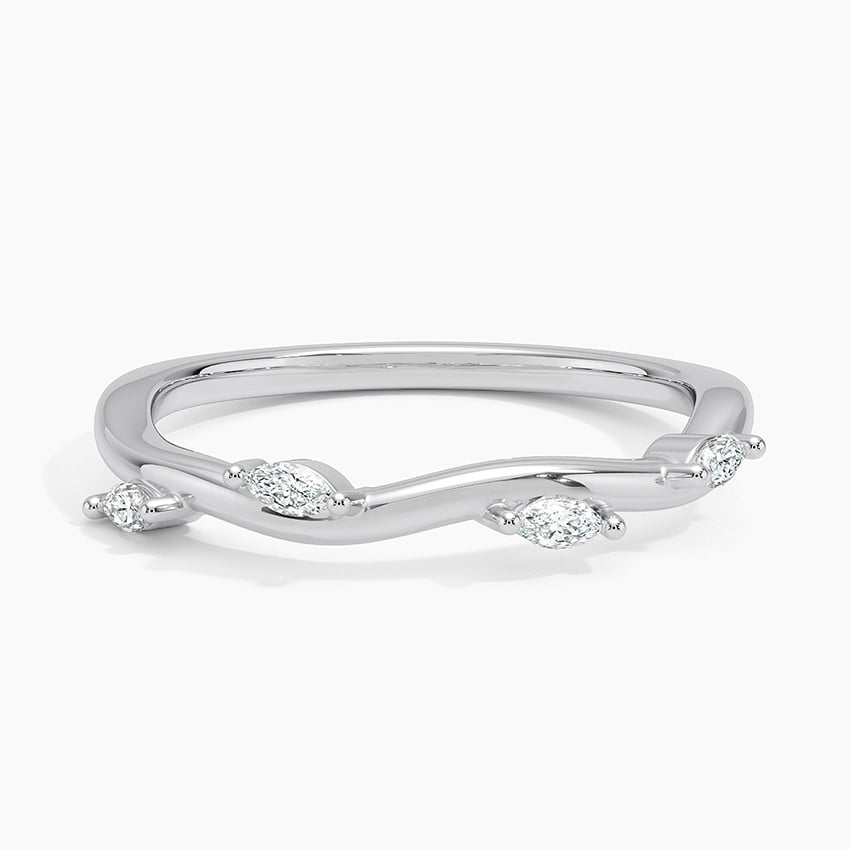
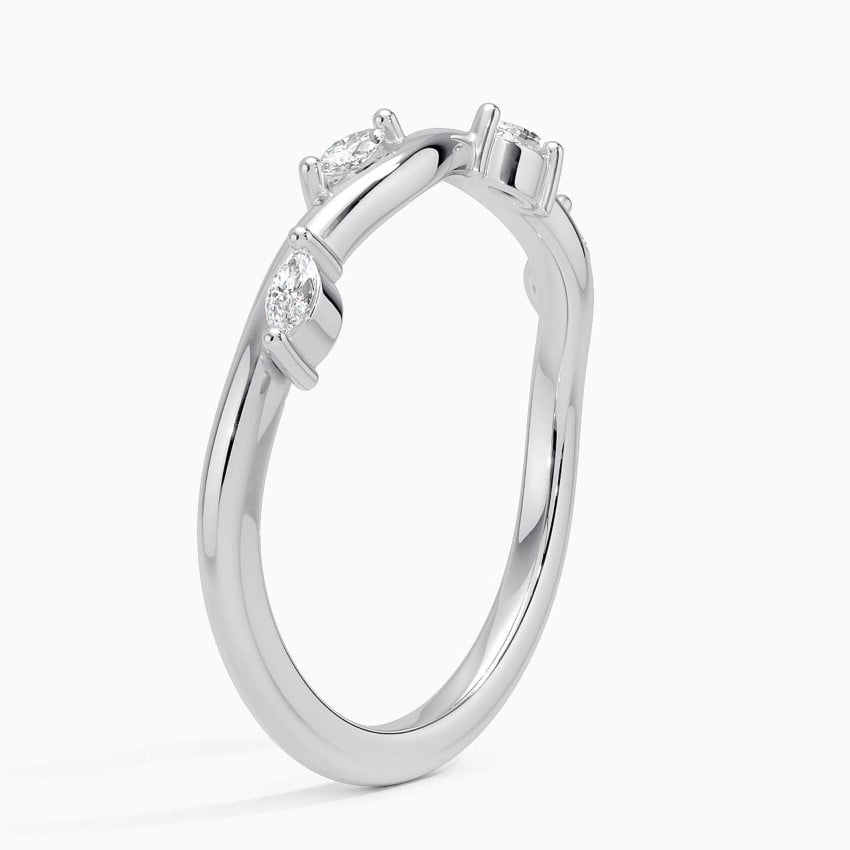
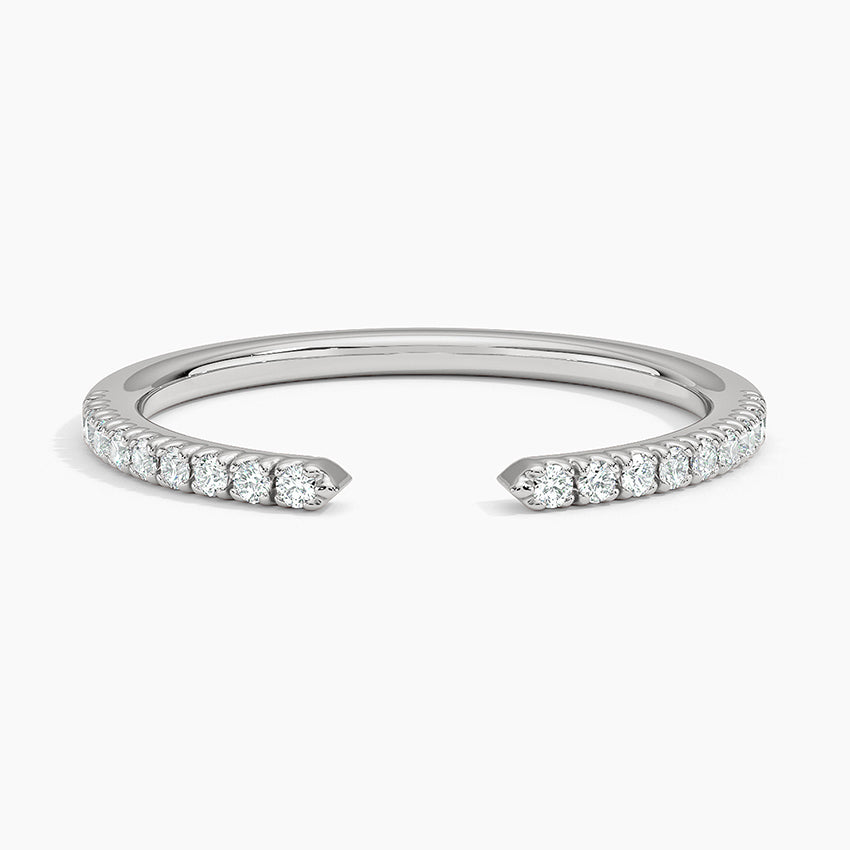
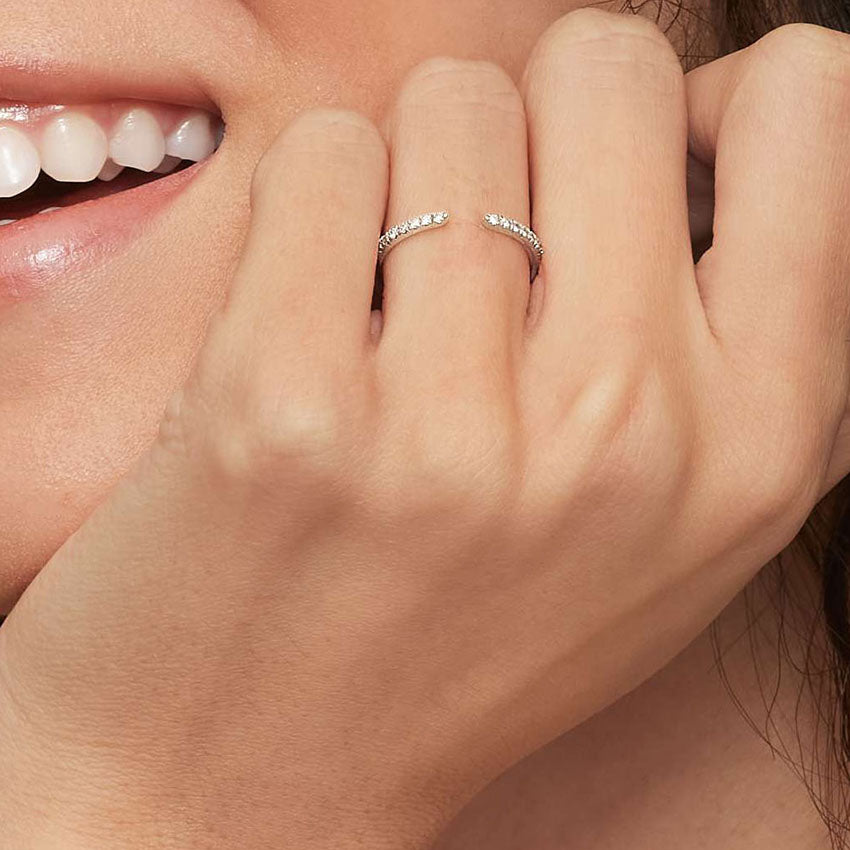
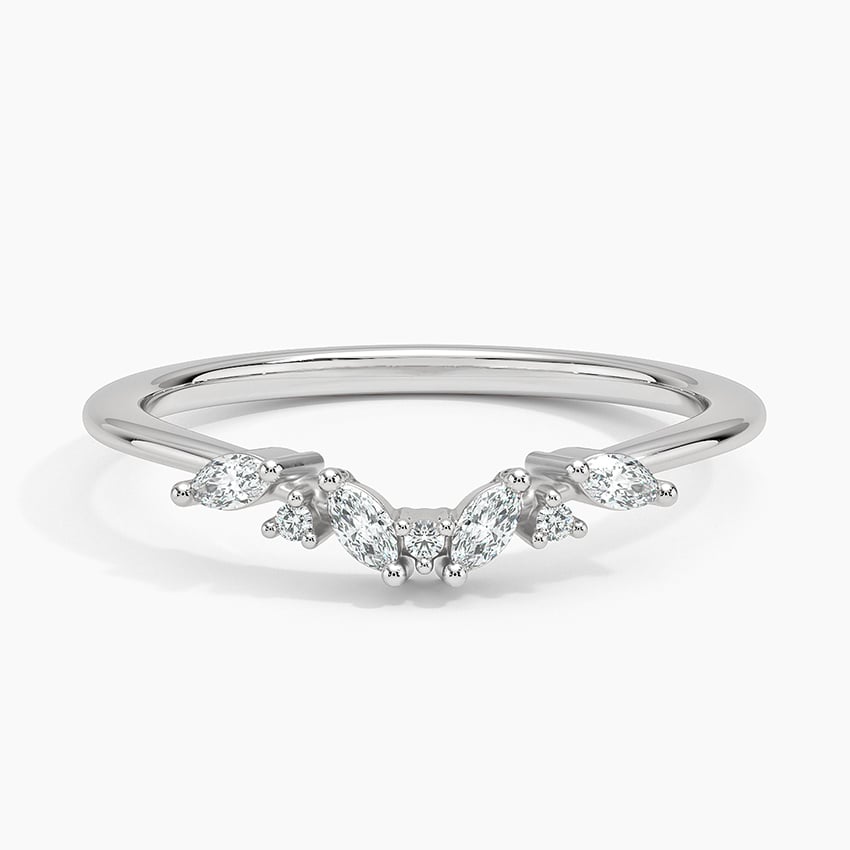
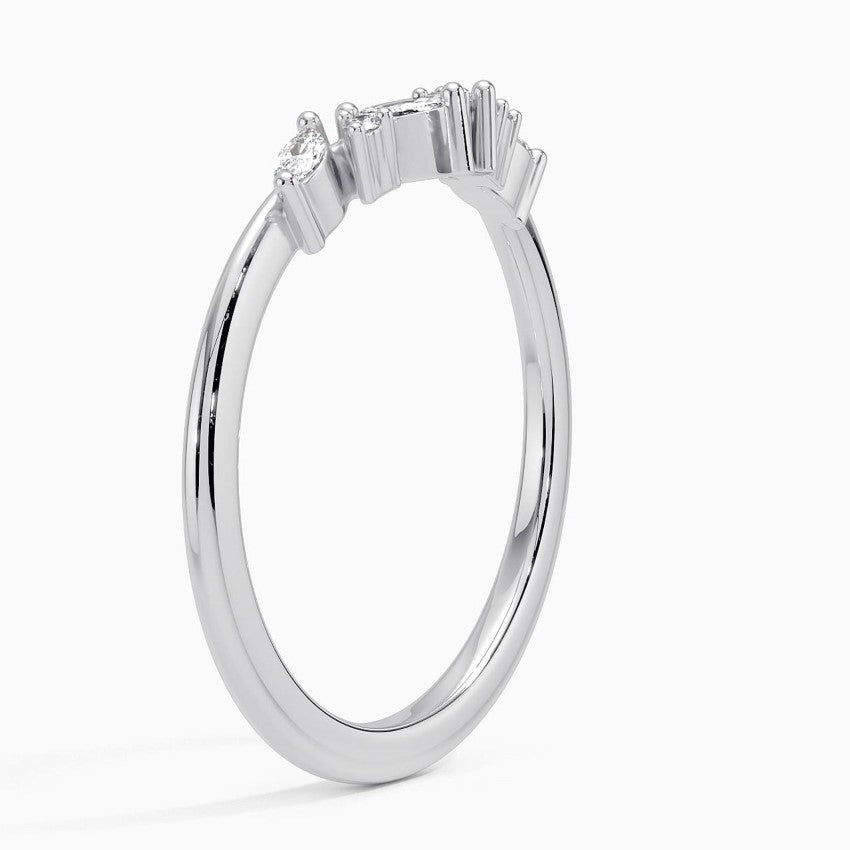
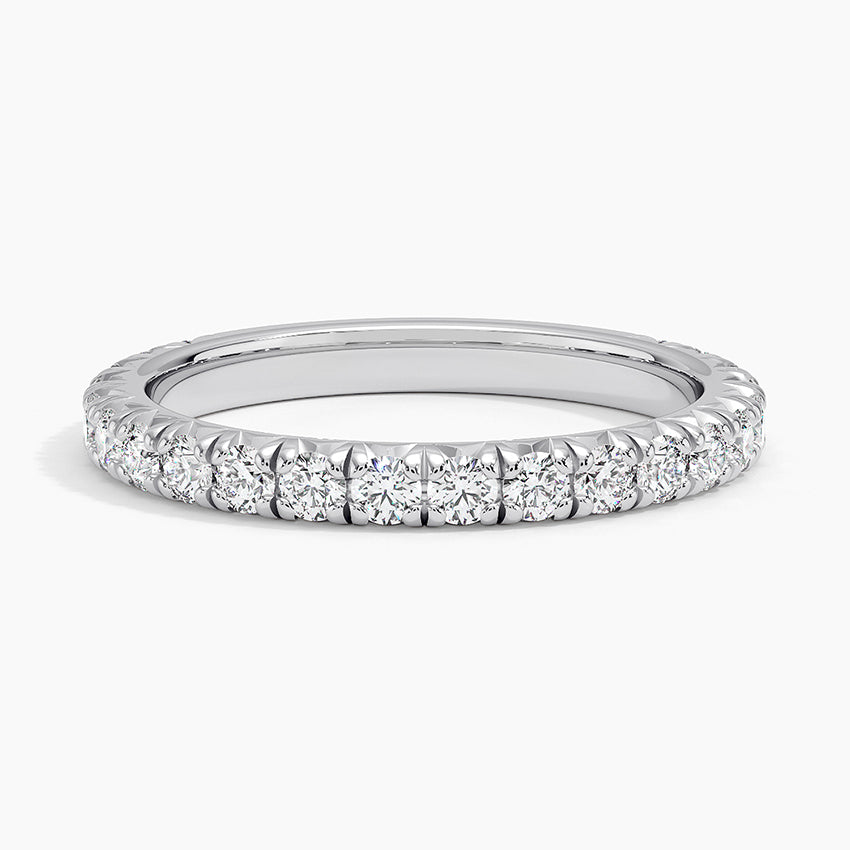
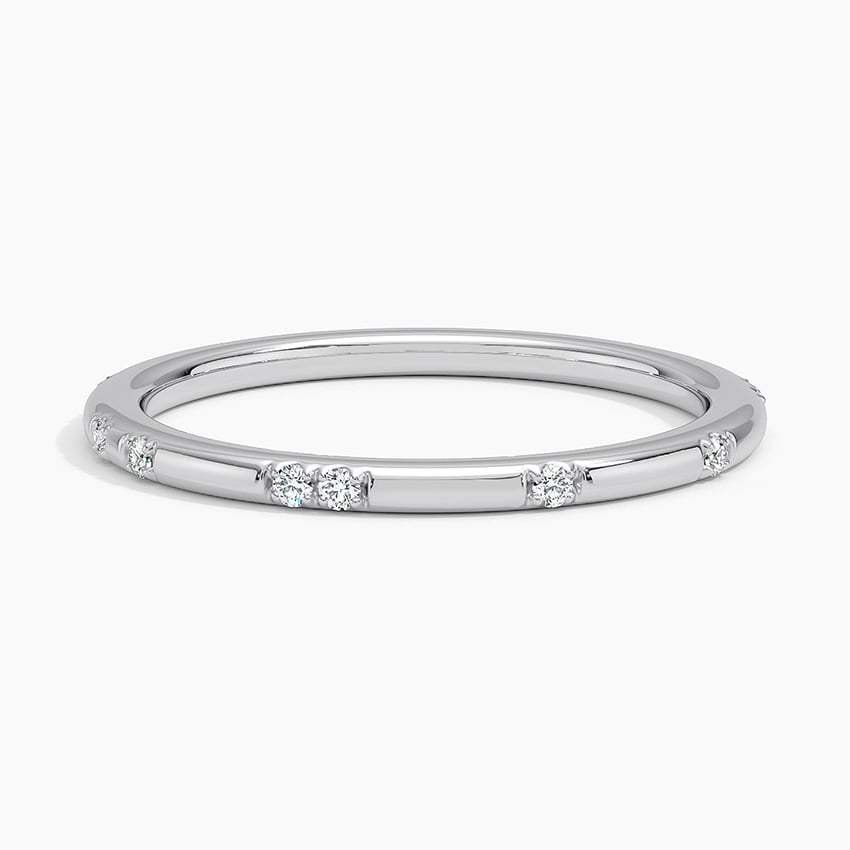
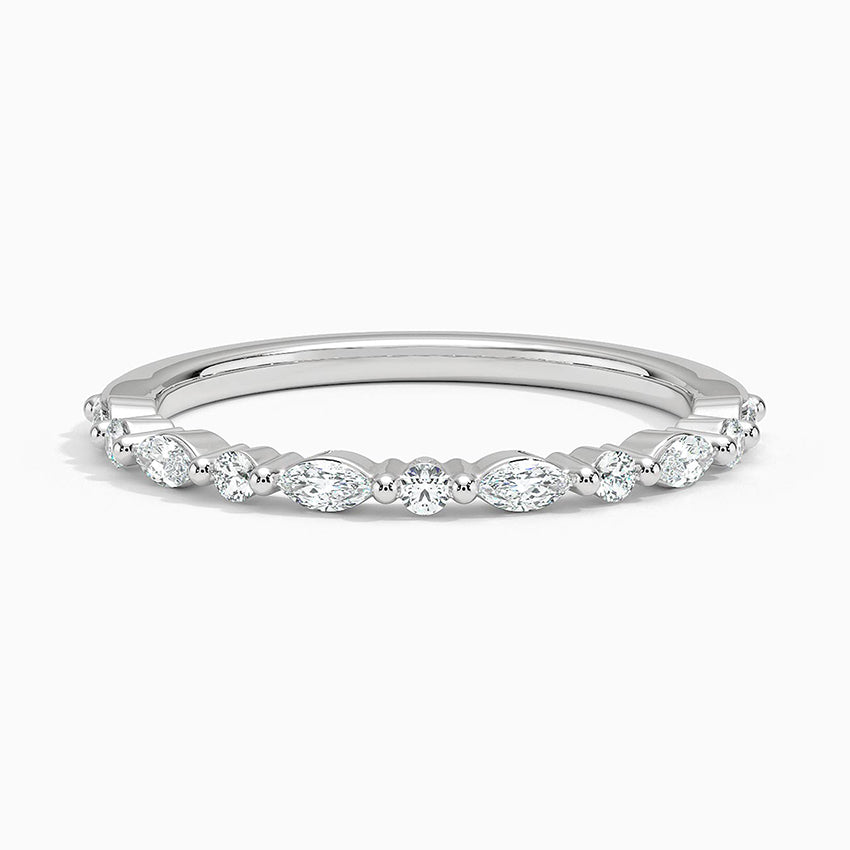
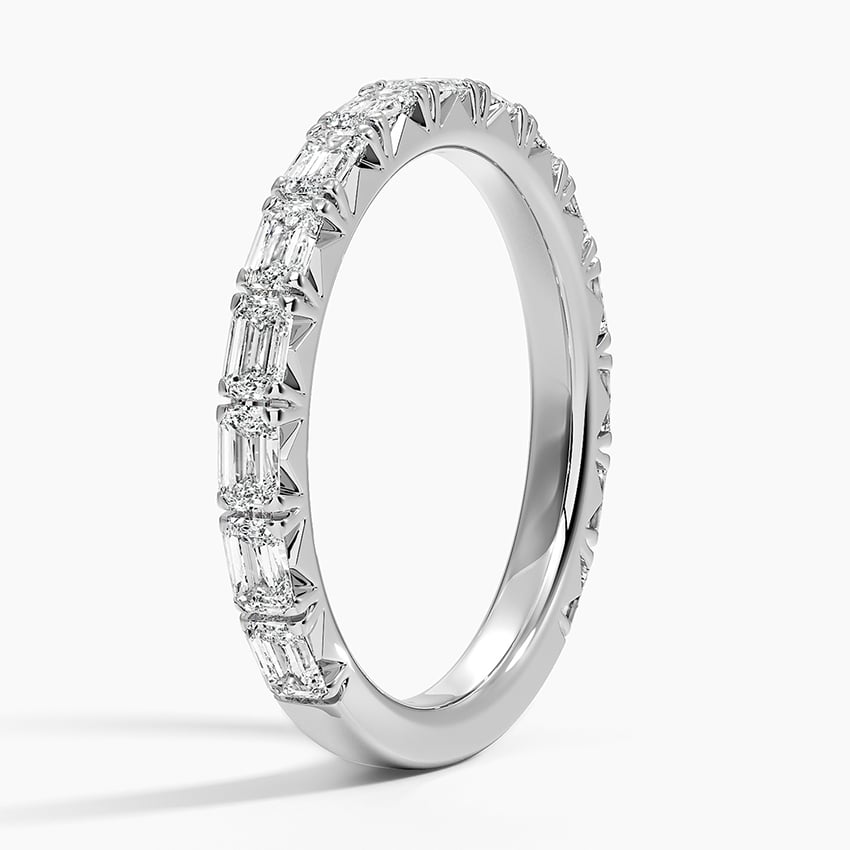
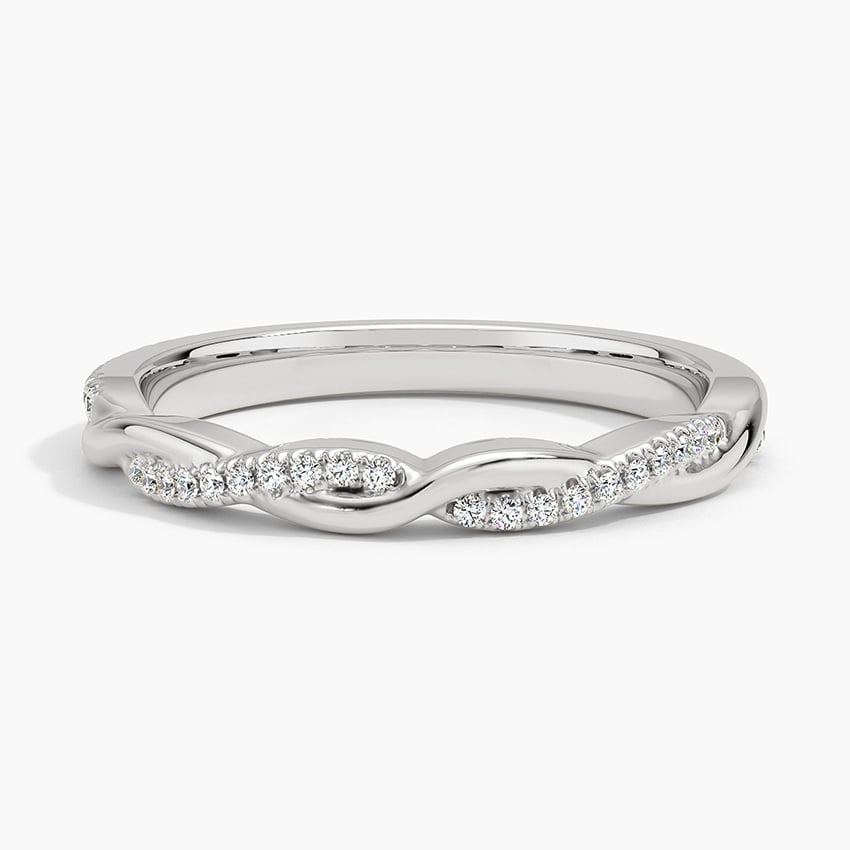
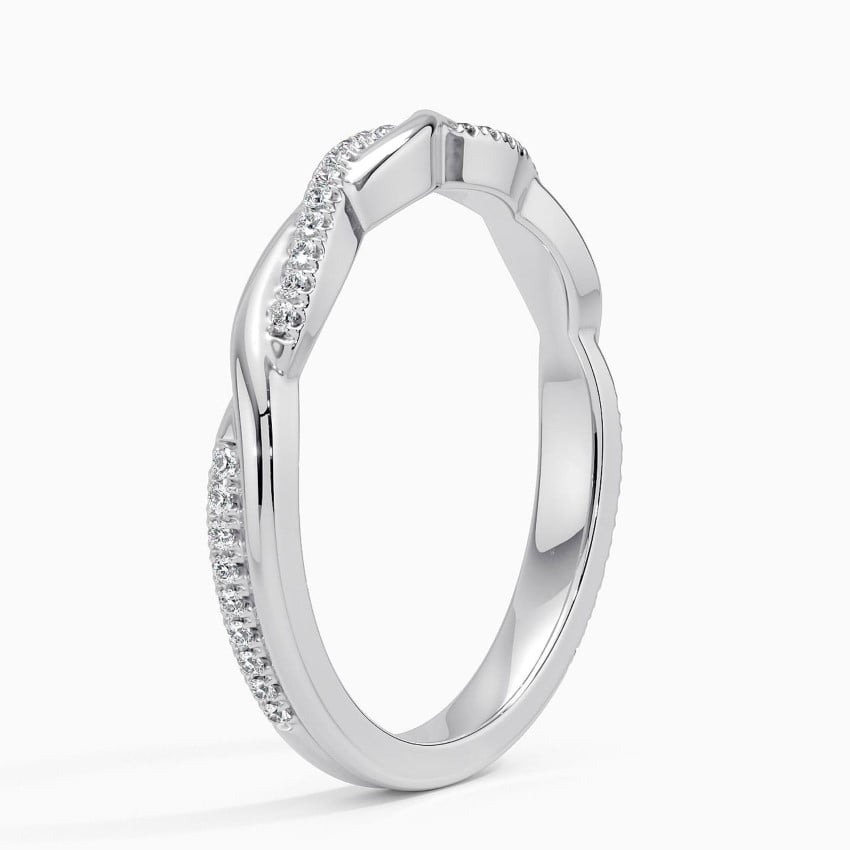
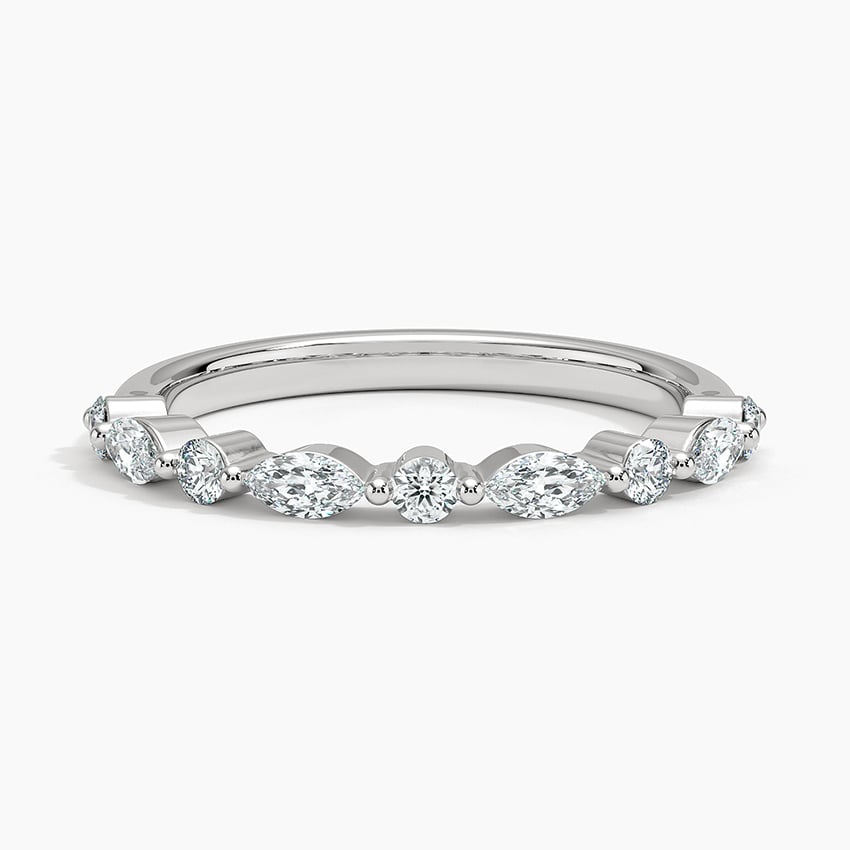
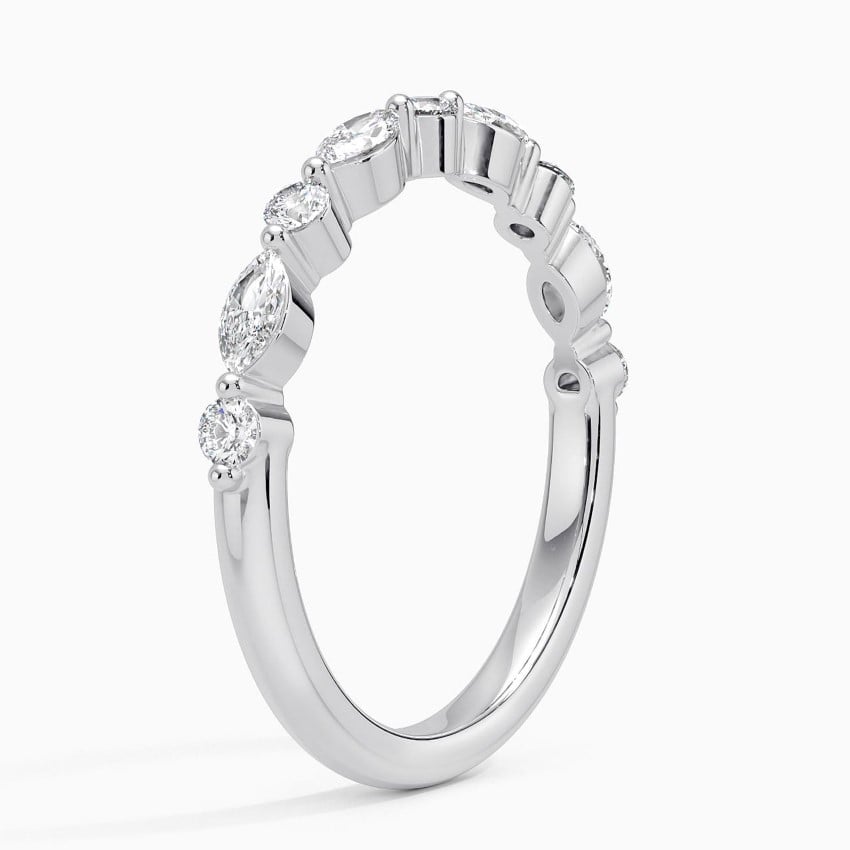
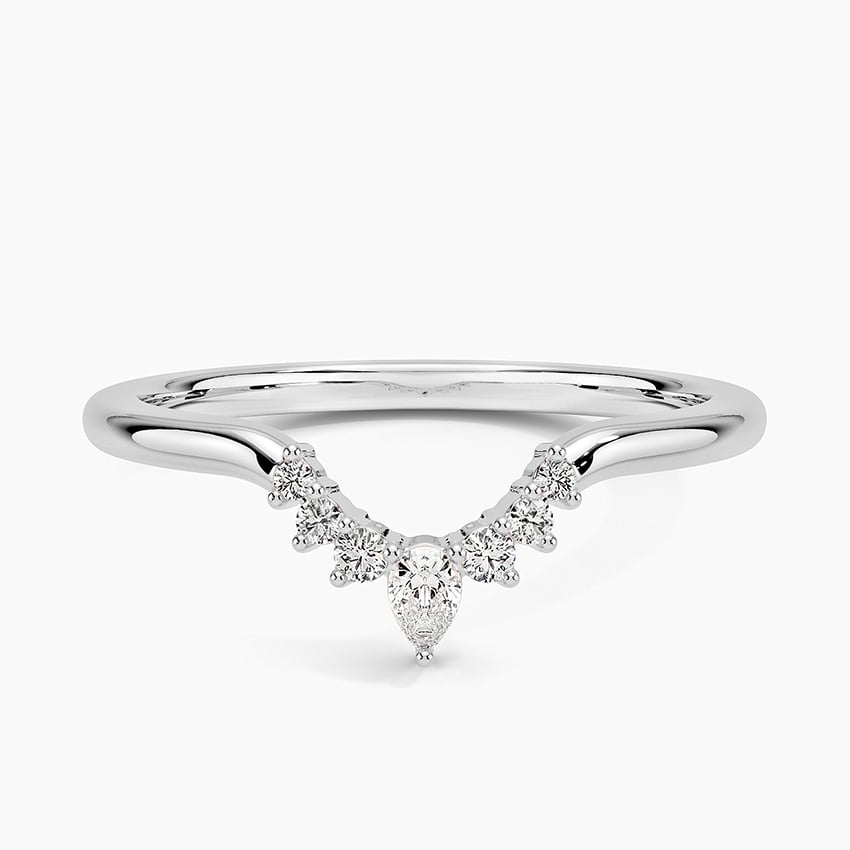
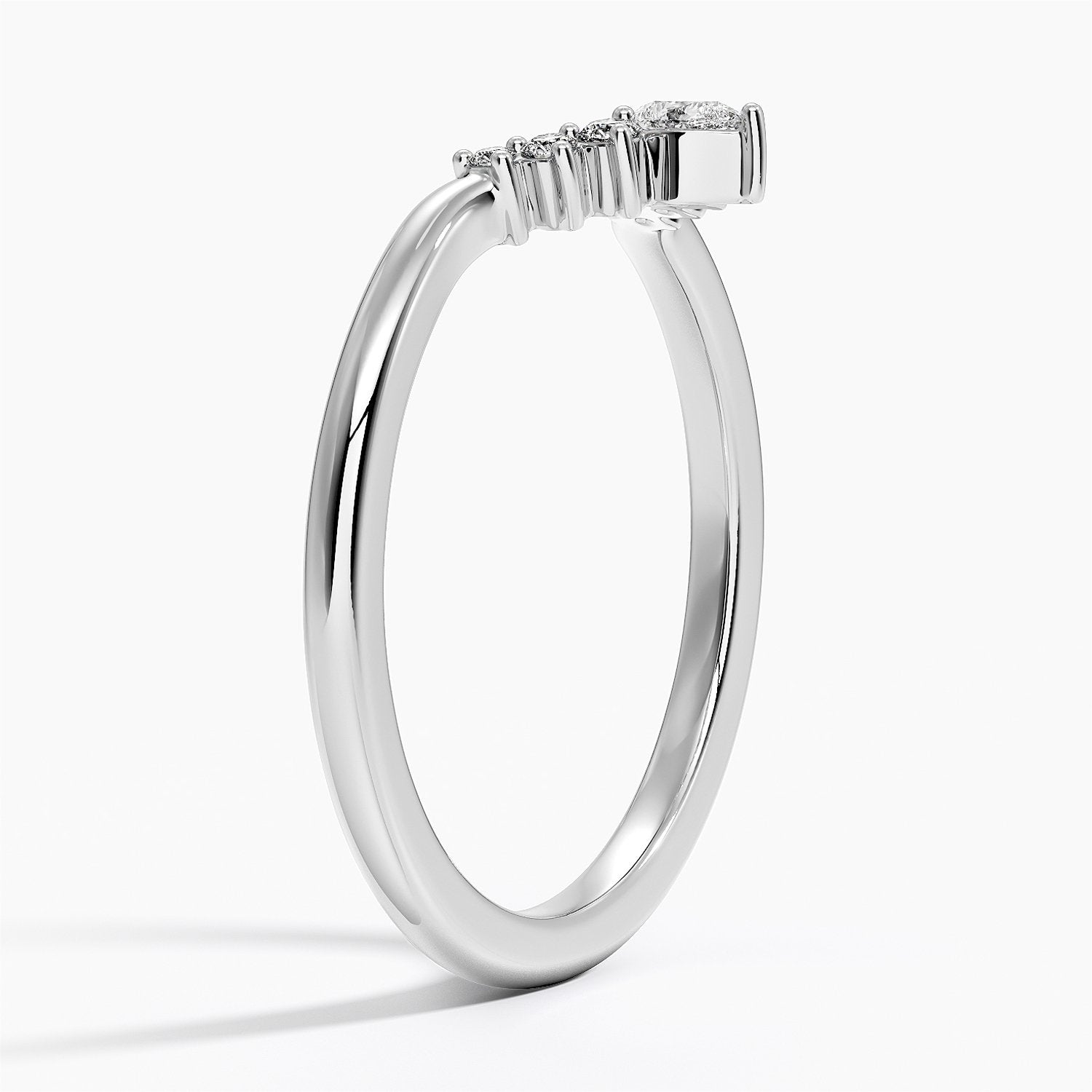
A diamond wedding band adds a second line of light next to the engagement ring. Worn alone it is a complete ring in its own right; worn as a pair it doubles the brightness across the finger.
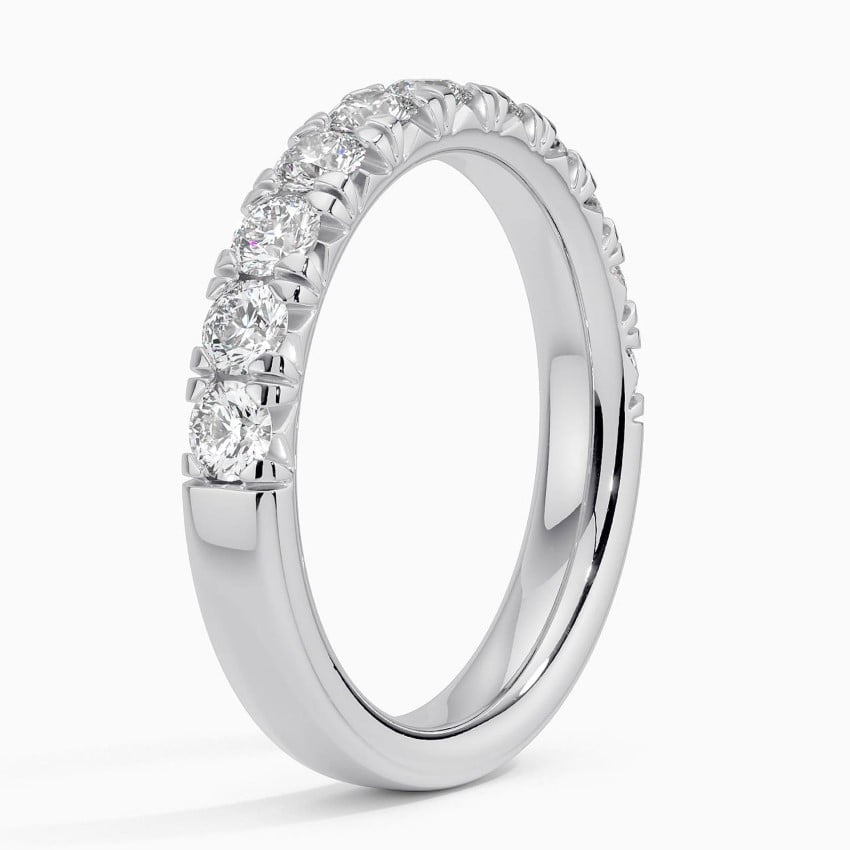
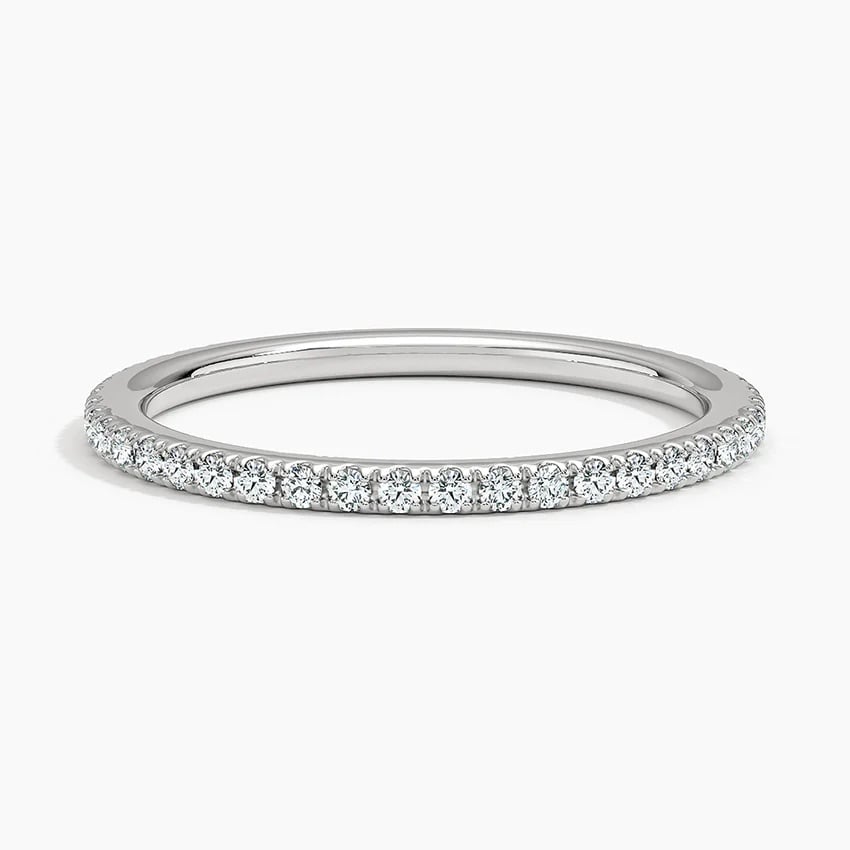
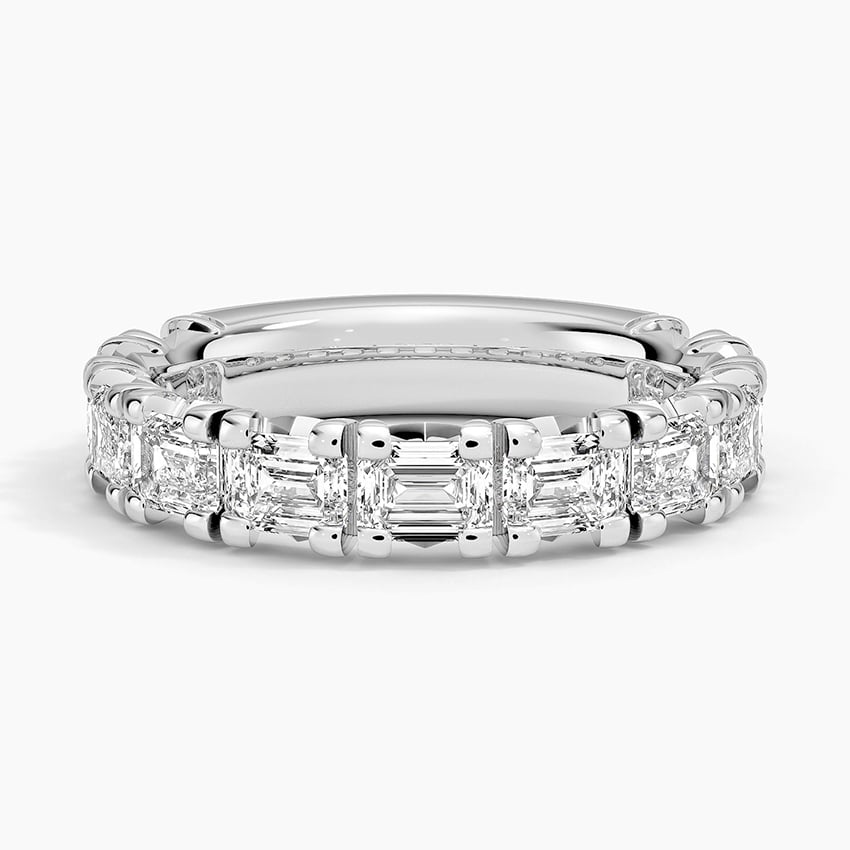
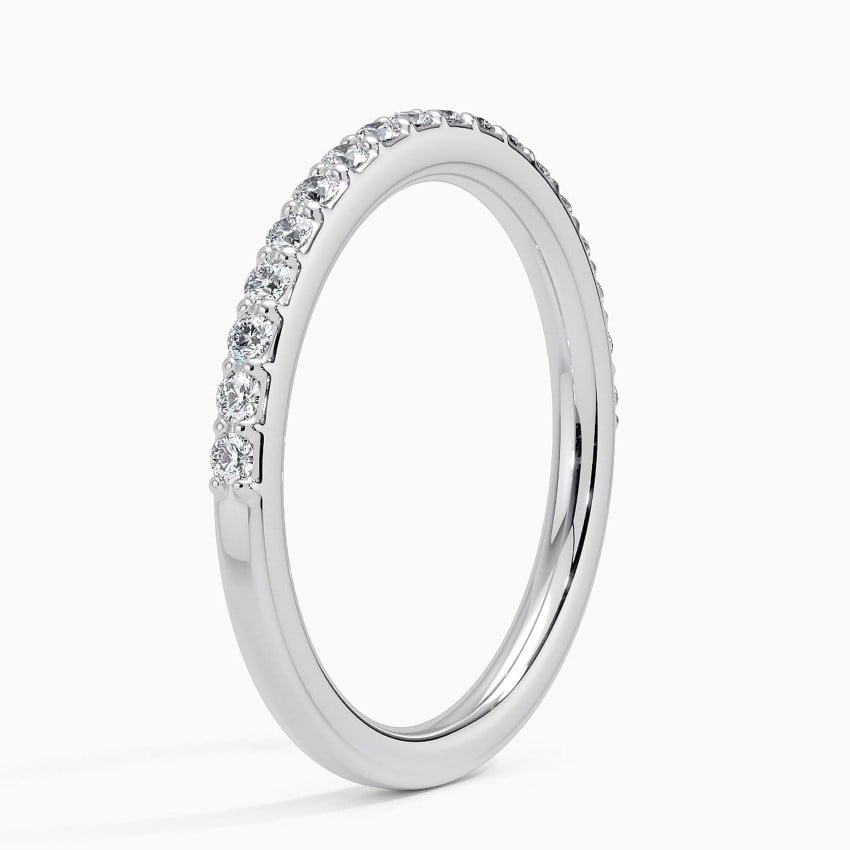
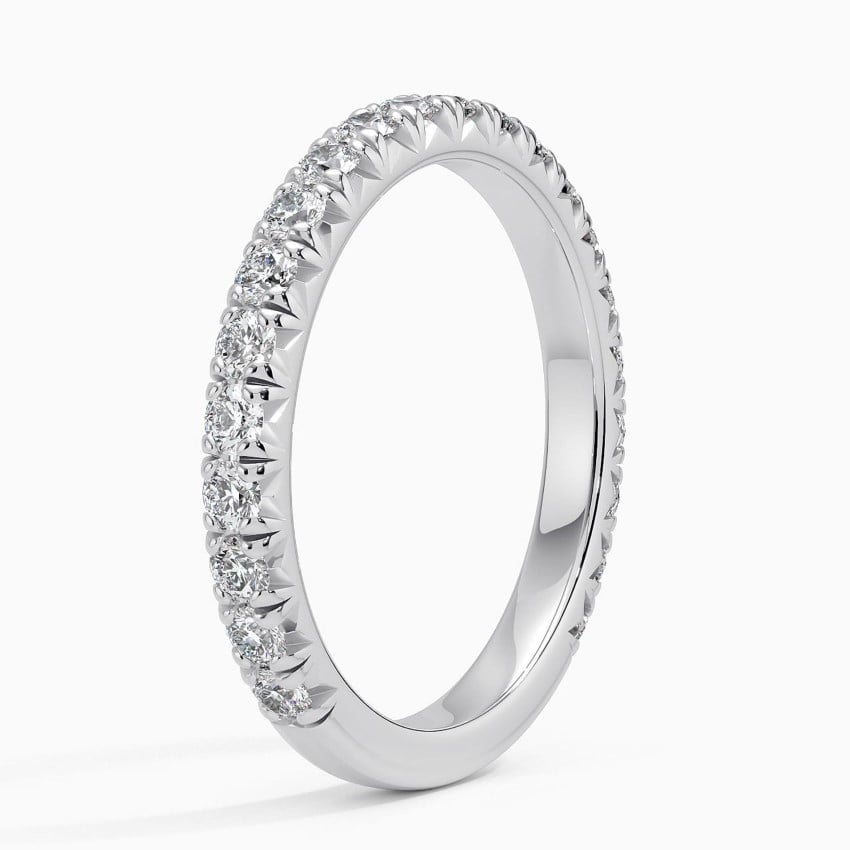
The choice that decides both price and practicality is coverage — how far round the band the diamonds run. Half coverage sets stones along the top of the band only: it is what you see when the ring is worn, it costs considerably less than full coverage, and it can be resized later. Three-quarter coverage carries the diamonds further round the sides. Full coverage is an eternity band, and it cannot be resized without remaking it.
For a ring meant to be worn for fifty years, that resizing point is not a detail. Fingers change size with age, heat, pregnancy and weight.
The second consideration is matching. If the band will sit against an existing engagement ring, the diamond size and setting style should echo it rather than compete — a delicate pavé band beside a chunky ring looks accidental, not deliberate.
Questions people ask before buying
Are these diamonds certified?
Yes. Every stone is graded by GIA, IGI or HRD, and the report number is shown on the stone's page so you can verify it directly with the laboratory. A stone certified by any other laboratory, or ungraded, cannot be bought here at all.
Does the price include a setting?
No. Loose diamonds and ring settings are priced separately, so you can pair any stone with any setting in a compatible shape. The ring builder shows the two together and the combined total before you order.
What should I prioritise when choosing?
Cut first — it is the only grade you can see across a room. Then clarity down to eye-clean, usually VS2 or SI1. Then colour: G or H reads white in platinum, I or J in yellow gold. Then buy just under a landmark weight, because 0.95 ct looks like 1.00 ct and costs less. The guide to the 4Cs explains the trade-offs in full.
How much is shipping?
Nothing. Every order ships free and fully insured, anywhere in the world, at any order value. Import duties and taxes outside the United States are the recipient's responsibility.
Can I return it?
Yes, within 30 days, unworn and in its original packaging with the certificate. The return leg is arranged and paid by you, and must be insured and tracked.
Is there a warranty?
A lifetime warranty against any manufacturing defect, for as long as you own the piece. Full detail on the FAQ page.